
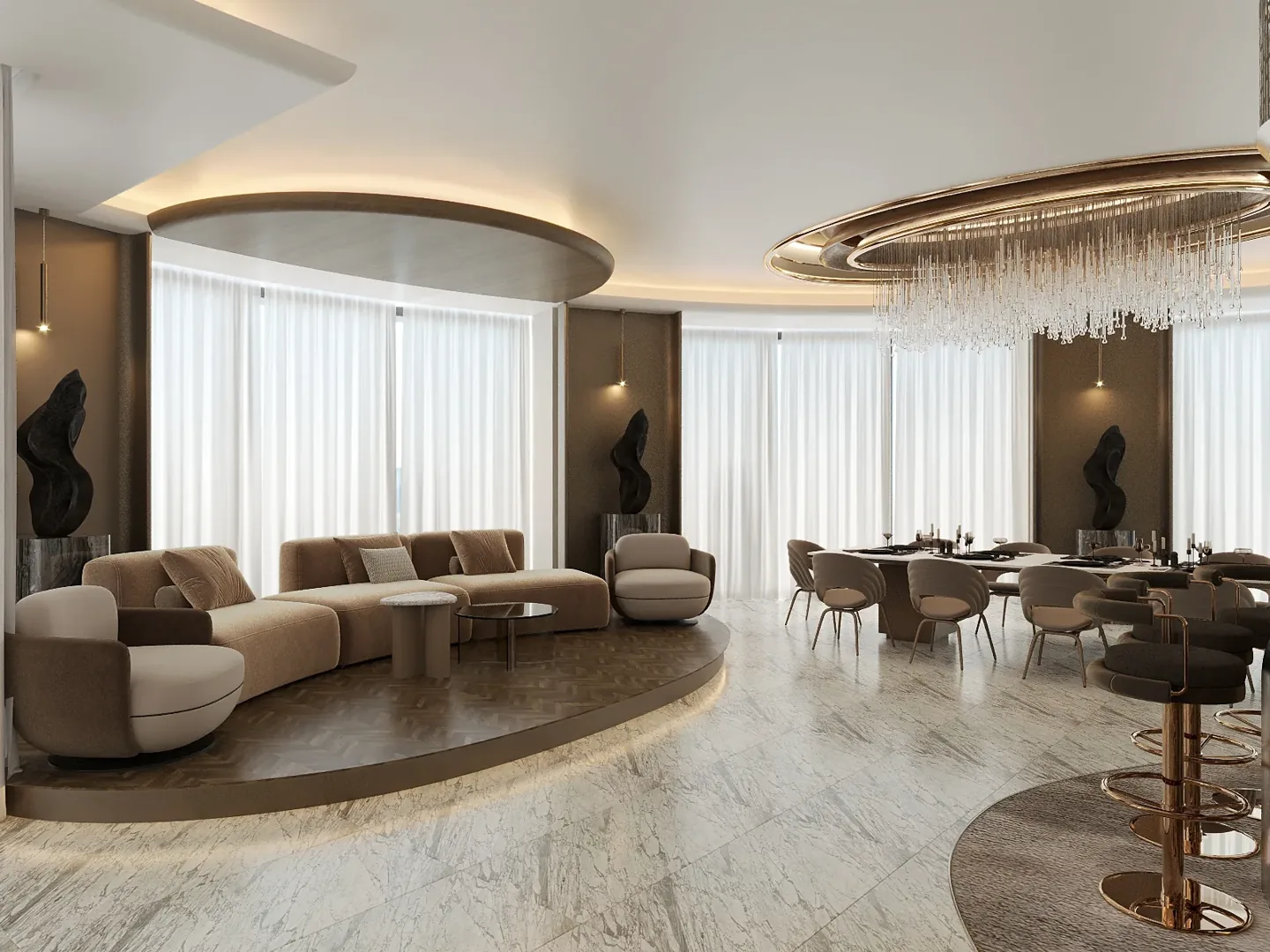
Residential interior reference for the design review.
A favourite artwork can become an awkward late addition when the room has already been designed around a different scale, viewing position or lighting arrangement. Collected objects create similar questions: what should be seen together, what needs protection and who will decide the technical requirements? Preparing an art and object display brief early gives the interior team useful information without asking it to make assumptions about the collection.
This guide concerns client decisions and coordination for a Dubai home or commercial interior. It is not an instruction for mounting, conserving or handling valuable objects. Those tasks may require appropriately appointed specialists. Your interior design company can coordinate the visible setting and the interfaces with the fit-out, provided responsibilities are established. Begin with an identifiable list of objects and a clear account of how you want people to experience them.
Jump to a section 13 topics
Decide what the display is intended to do
An artwork might be a personal focus in a private room, part of a business's identity or a changing collection shared with visitors. Describe that purpose before identifying a wall. A piece intended for close examination may need a different setting from one that provides a distant visual focus. The way people encounter it should influence the brief.
Discuss whether the collection is fixed, growing or regularly rotated. A permanent composition can be developed around known objects, while a changing display needs an agreed range of sizes and a practical route for replacement. Distinguish the client's curatorial decisions from the interior designer's role in the surrounding room. That separation prevents a layout approval from being mistaken for acceptance of the collection itself or authority to substitute one object for another.
Create an inventory that teams can identify
Give each object an agreed reference and record its dimensions, general description and any existing frame, base or display enclosure. Photographs help different people discuss the same item, but the inventory should also state which measurements have been checked and which remain provisional. A photograph taken without a scale can be misleading when used to develop a fitted niche.
Keep sensitive ownership, insurance or valuation information within the appropriate private process rather than distributing it with general fit-out drawings. The interior coordination record normally needs the physical and operational facts relevant to its task. Identify who controls the full collection information and who can answer questions. This allows an interior design consultant to request missing details through a clear contact instead of circulating assumptions among several suppliers.
Measure the complete displayed assembly
The size of an artwork is not necessarily the size of the final installation. A frame, plinth, protective case or specialist mounting assembly may change its overall dimensions and the space needed around it. Ask the responsible supplier or specialist to confirm the relevant envelope before the interior team fixes a recess or orders surrounding cabinetry.
Record the information in a format that can be linked to drawings. Include projections from the wall and any operating or maintenance space that must remain available. Where an object has an irregular shape, a single width and height may not describe the interface adequately. The specialist should explain what information the interior team needs. This is particularly useful when bespoke joinery is involved, because an attractive elevation can otherwise conceal an unresolved physical fit.
Review where people will actually view it
Consider the point from which a person first notices the object and the positions from which they may spend time looking at it. A dining seat, a reception queue and a passing corridor create different experiences. The brief should describe those situations before a display position is accepted solely from a presentation image taken at an ideal angle.
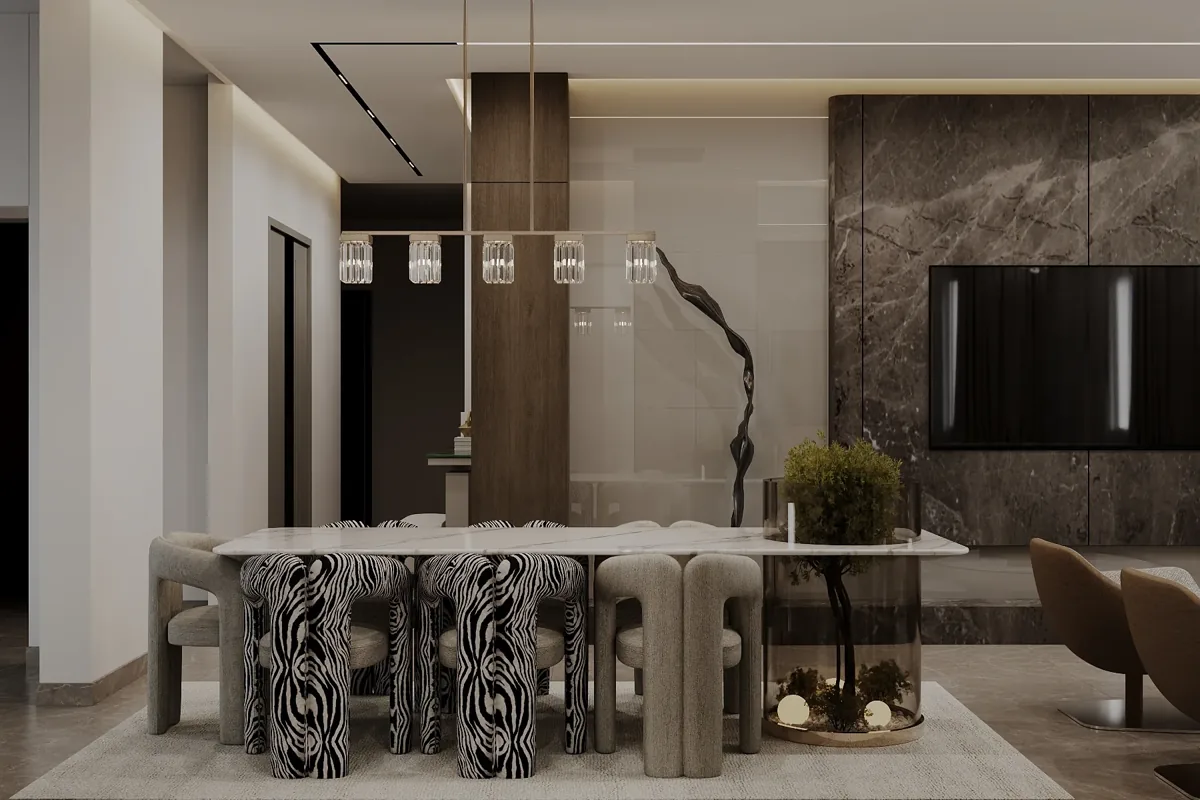
Furniture can change the view considerably. Review the object with the proposed seating, tables and circulation shown in place. Think about reflections, competing decorative elements and the effect of an open door. For an office fit out in Dubai, distinguish the experience of an employee using the room from a visitor arriving briefly. Neither viewpoint should be assumed to represent every person who will encounter the display.
Coordinate the wall or supporting setting early
The appointed installation and technical specialists should establish what the object requires from its supporting setting. The interior team can then coordinate the visible wall finish, joinery or plinth with that information. A decorative drawing should not be treated as a complete structural fixing design, particularly where the object's weight, shape or value makes its installation consequential.
Record who verifies the existing construction and who accepts the proposed supporting arrangement. Make the relationship with hidden services and access requirements visible through coordinated information. If the display location changes, review the technical consequences rather than transferring the same detail automatically to another wall. The purpose of the client brief is to ensure the necessary questions are assigned, not to prescribe a universal mounting method for every artwork or collected object.
Bring conservation advice into sensitive decisions
Different objects can respond differently to light, environmental conditions and the materials around them. The Canadian Conservation Institute's guidance explains that display conditions and light exposure can affect collections; it also treats the location and nature of the objects as important to preventive care. That is a reason to obtain suitable advice, not to apply a single number or specification to an unidentified collection.
Ask the client or collection adviser which pieces need conservator involvement and who is responsible for that appointment. The resulting requirements should be communicated to the interior and lighting teams in a usable form. Avoid accepting claims that a fashionable material, a particular lamp or a glazing label automatically makes a display appropriate. The specialist should identify the actual conditions and evidence needed for the objects concerned.
Review lighting as a coordinated proposal
The lighting discussion should connect how the object is seen with the specialist advice governing its display. Consider ambient light, the intended accent lighting and changes in daylight through the room. An attractive illuminated view does not by itself show how the installation will behave throughout the day or over the expected display period.
Assign the technical lighting design and any conservation review to the appropriate parties. The interior designer can coordinate fixture positions, visible finishes and control interfaces around their requirements. Establish who accepts the final settings and what information must be recorded. If an object is replaced, the same lighting arrangement should be reviewed against the replacement's needs. The brief should make this future decision understandable rather than assuming that every item in a changing collection is interchangeable.
Consider cases, plinths and surrounding materials together
A display case or plinth is both a visible interior element and a potential specialist assembly. Determine who specifies its technical requirements, who designs its appearance and who manufactures it. Surrounding finishes, access arrangements and cleaning requirements need coordination before the interior fit-out contractor releases adjacent work for fabrication.
Ask how the object enters and leaves the enclosure and who is authorised to perform that task. Doors, removable panels and concealed fasteners may affect the available space, but their detailed design belongs with the responsible specialist. Review a representative assembled sample where the junction is important. When discussing joinery fit-out companies in Dubai, focus on their ability to coordinate approved information rather than assuming that ordinary cabinetry construction is appropriate for every display requirement.
Plan movement through the finished building
An object may fit its intended room while being difficult to move through the route leading to it. Identify the relevant entrance, corridors, lifts and turning points with the appointed art-handling or delivery team. Their assessment should inform installation planning before the surrounding finishes are complete. Do not rely on the apparent generosity of the destination room as evidence of suitable access.
Confirm the building's current delivery and working arrangements through the responsible management team. Separate the movement of the object from ordinary fit-out material deliveries where their requirements differ. Record any conditions on storage, handling or protection through the appropriate specialist process. For a changing collection, consider whether the same route will remain available after furniture and decorative work are installed. The future replacement should not depend on information that disappears when construction finishes.
Name the people who can approve each decision
A display brief often involves the owner, interior designer, conservator, lighting specialist, maker and installer. Each may accept a different part of the proposal. State who confirms the object selection, who provides technical conditions, who accepts the visible composition and who authorises installation. One person's approval should not be assumed to cover every discipline.
Use identifiable references for accepted drawings, samples and specialist instructions. If comments remain open, make them visible and explain which subsequent activity depends on their resolution. This helps interior fit out companies in Dubai coordinate the display with the wider programme without treating a general client preference as a fabrication release. A concise responsibility record is especially useful where the client has several advisers or where different objects are managed by different people.
Set a change process for a growing collection
A new acquisition can affect more than the object list. Its size, installation needs or display conditions may alter joinery, lighting, wall construction or delivery arrangements. Establish when a change must be referred back to the relevant teams and who will decide its effect on work already approved or ordered.
The process should be proportionate. Moving a small decorative object within an agreed flexible shelf setting may need a different review from changing a major wall installation. Define those boundaries with the appointed specialists instead of leaving the contractor to guess. For a retail fit out Dubai brief involving collectible or high-value display pieces, distinguish the fit-out appointment from the operator's ongoing collection management. A useful interior should accommodate the expected pattern of change without promising unlimited flexibility.
Include display responsibilities in the project proposal
Check whether the appointment includes collection inventory, specialist coordination, sample reviews, installation attendance or only the visible interior design. A proposal can appear comprehensive while assuming that the client provides the object details and all associated specialist instructions. Make those assumptions explicit before comparing fees or deciding who should place orders.
Relevant cost factors include bespoke fabrication, specialist lighting, technical assessment, access restrictions and the extent of prototyping. Separate the purchase or valuation of artwork from the interior construction budget and identify any client-appointed contracts. Ask interior design and fit out companies in Dubai how the agreed display information will be integrated with the main drawings. The answer should explain responsibilities and deliverables, rather than simply offering a decorative niche as a complete solution.
Keep a handover record that supports future care
At completion, collect the information needed to understand the accepted installation: object references, relevant drawings, supplier details, specialist instructions and the agreed lighting or control record where applicable. Keep restricted collection or security information within the client's authorised system. The general maintenance team should know which activities require referral to a specialist rather than being treated as routine cleaning.
Review how the display can be changed or accessed later and identify the party responsible for maintaining the record. A future designer or facilities team should not have to infer the installation history from a photograph alone. For help coordinating the surrounding interior, explore our interior design and fit-out services. You can also describe the collection's role, available information and intended rooms through the project brief.
Frequently asked questions
Should every decorative object be treated as a specialist collection item?
The client and appropriate advisers should determine which objects require specialist handling, display or conservation input. The interior brief should record that decision rather than infer it from an object's appearance. Ordinary accessories and valuable or sensitive works may need different processes, but both benefit from clear dimensions and an agreed location.
Can we choose artwork after the fit-out is finished?
That may be practical where the design intentionally allows flexible display, but it can limit the available options. Establish the expected size range, technical boundaries and responsibility for later review during the initial brief. A major object selected after fabrication may require changes to lighting, supporting construction or access arrangements.
Does a display drawing confirm that an installation is technically suitable?
Not by itself. Identify which specialist information the drawing relies on and who has accepted the relevant supporting construction, mounting, lighting and conservation requirements. The visible arrangement and technical installation can be coordinated through the same project, but their approvals should remain identifiable rather than being merged into an ambiguous general sign-off.
What should the client prepare before an art-display discussion?
Provide an inventory with photographs and checked dimensions where available, the rooms being considered and the intended visitor or household experience. Identify existing advisers and any known handling or care requirements. Explain whether the collection is permanent or changing so the design team can discuss suitable coordination and future flexibility.
References and scope
References checked on 18 November 2026. Confirm current requirements and product instructions for the actual project; these links do not constitute project approval.
Plan your interior planning and handover project with one accountable team
Share your intended display rooms and available collection information with CBD Projects to discuss the surrounding interior coordination.
Send Your Project BriefBack to BlogRelated ServiceView Real ProjectsContact CBD Projects