
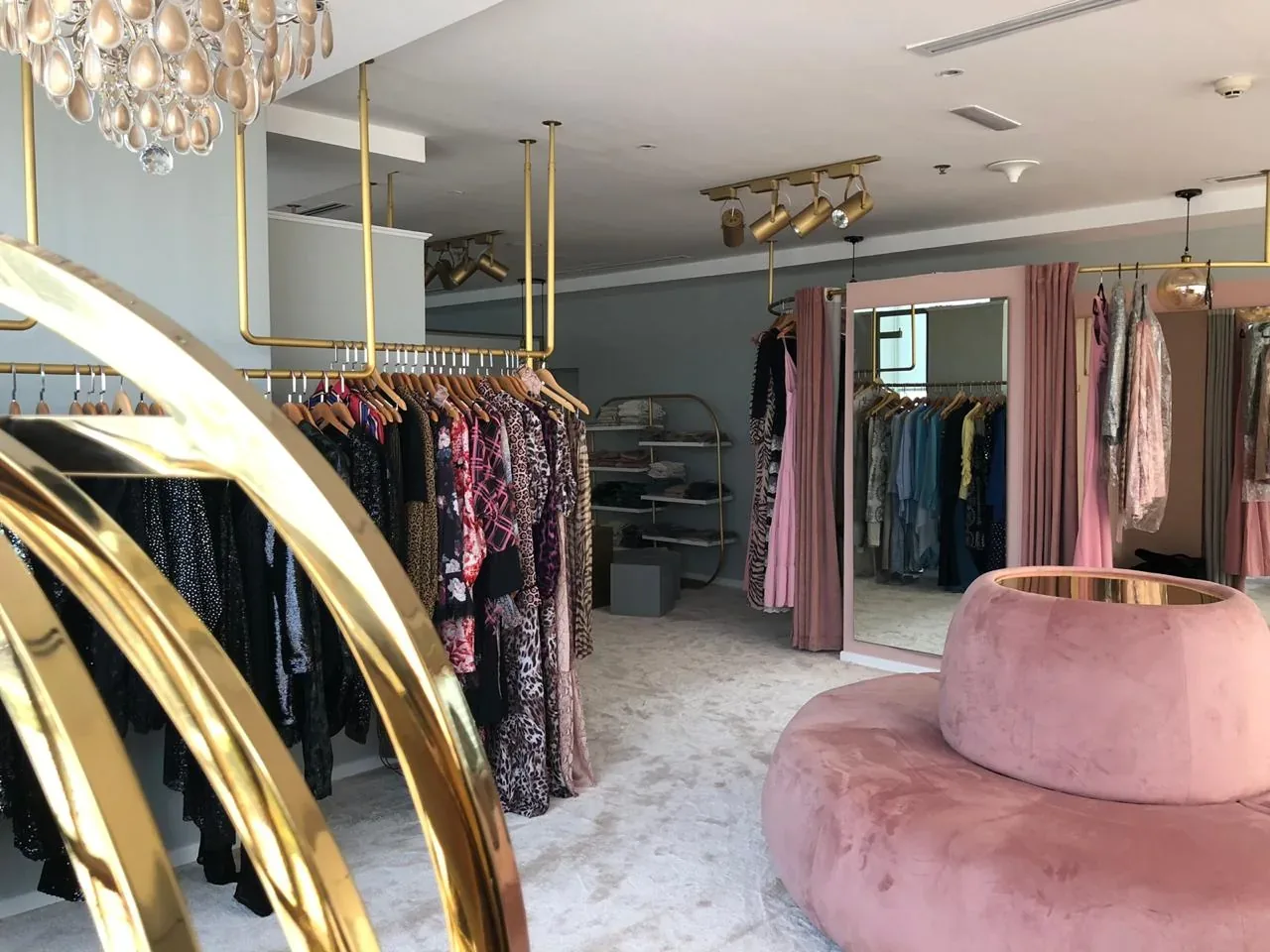
Retail lighting guides attention, reveals product colour and supports the store journey.
Customers see the store through light before they study its materials. Flat brightness can make products feel ordinary, while uncontrolled contrast or glare hides labels and creates fatigue. Retail lighting should guide attention and adapt as merchandising changes.
Light vertical merchandise first, build an accent hierarchy, verify colour rendering with real products, control glare and reflections, create suitable fitting-room and cash-desk light, coordinate flexible tracks and controls, and plan safe maintenance access.
Start with merchandise and sightlines
Identify hero displays, new arrivals, promotional zones, shelving and decision points. Light should help customers understand the offer from the shopfront and reveal products along the natural route through the store.
Use contrast with restraint
Accent lighting creates focus when the surrounding level is controlled. Excessive brightness everywhere removes hierarchy and wastes energy. Test beam angles, spill and shadows using representative displays.
Protect product colour and customer comfort
Review colour quality, heat sensitivity and material reflectance with actual merchandise. Avoid glare in mirrors, polished floors and glass shelves. Fitting rooms need flattering vertical light that still represents colours honestly.
Design for merchandising change
Track systems, adjustable fixtures and sensible circuiting can support seasonal layouts. Coordinate lighting with shelves, graphics, sprinklers, detectors, cameras and ceiling access before fixing positions.
Commission scenes and maintenance
Create practical settings for trading, cleaning, stock work and after-hours display. Aim, focus and record fixtures after merchandising is installed. Keep drivers and lamps accessible and retain consistent replacement specifications.
Frequently asked questions
Should retail lighting be very bright?
Not necessarily. Clear hierarchy, good vertical light and controlled contrast can present merchandise better than uniform high brightness.
Why test lighting with real products?
Colours, gloss, texture and packaging respond differently to light, so generic samples cannot confirm the final result.
When should fixtures be aimed?
Final aiming should happen after shelves, displays, graphics and merchandise are in their trading positions.
Plan your retail interior design project with one accountable team
CBD Projects LLC provides interior design and fit-out coordination across Dubai and the UAE. Share your space, location, target opening date and budget range for a practical first review.
Send Your Project BriefBack to BlogRelated ServiceView Real ProjectsContact CBD Projects