
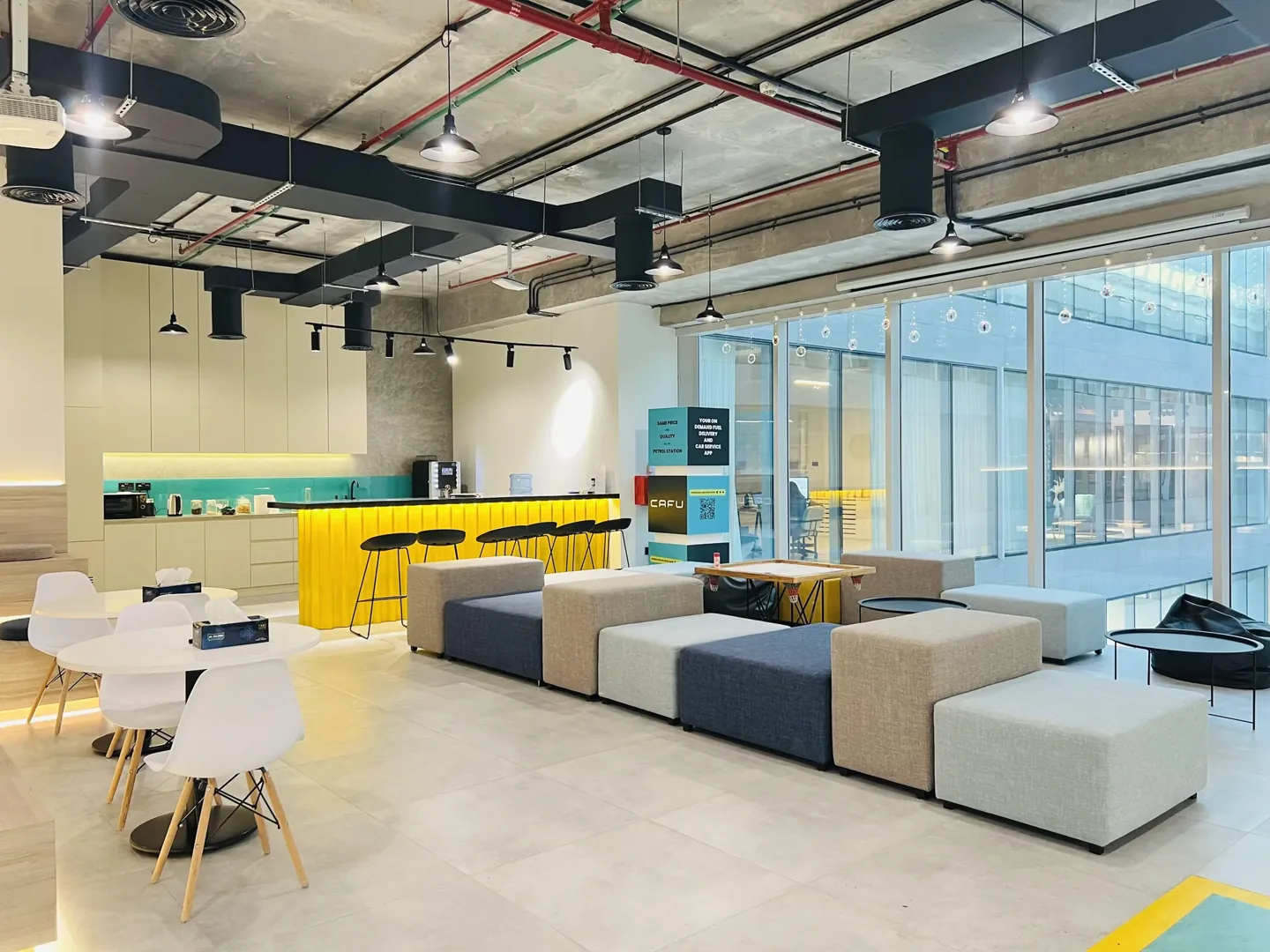
Workplace interior reference for the design review.
A new delivery team may inherit a convincing set of interior images without receiving enough information to price, coordinate or build the space. The issue is not whether the design looks attractive. The client needs to understand what the package contains, which decisions it records, what evidence supports it and what remains outside the original appointment.
An existing interior design package review should therefore be a defined task before the client asks for a new construction commitment. It can help distinguish information worth retaining from work that needs clarification or further development. This guide describes a practical document and scope review for a Dubai fit-out. It does not establish permission to reuse somebody else’s documents or replace legal, engineering or other specialist advice. Those responsibilities should be confirmed with the appropriately appointed parties.
Jump to a section 14 topics
State the decision the review is intended to support
Explain why the package is being reviewed. A client may be seeking construction prices, changing the delivery arrangement or assessing whether an older design still meets a revised brief. Each purpose calls for a different level of examination. A review for early budgeting should not quietly be treated as verification that every detail is ready for installation.
Ask the proposed reviewer to identify its outputs and limits. A useful result might include a document register, a list of unresolved decisions and recommendations for the next appointment. The client should know which specialist checks are included and which are not. This makes the review a manageable piece of work rather than an open-ended request to approve somebody else’s entire design.
Collect the actual record rather than the presentation alone
Request the relevant drawings, schedules, specifications, product selections, specialist information and review notes available to the client. Include material references and any later changes that affect the intended interior. A presentation may communicate the atmosphere well while omitting the information needed to define quantities, assemblies or supplier responsibilities.
Keep the source of each item identifiable. Explain who prepared it, why it was issued and which part of the project it covers. Do not rename every file final merely to make a shared folder appear organised. A client comparing fit out companies in Dubai should be able to issue a record that honestly distinguishes current information from earlier studies and incomplete inputs.
Establish what you may share and rely upon
Before forwarding or commissioning further use of documents, confirm the relevant permissions, appointment terms and professional responsibilities with the appropriate advisers and document owners. Possession of a file is not a practical substitute for understanding the conditions under which it was prepared or may be used.
The incoming team also needs to explain the basis on which it will review or develop the information. Its role may be to identify gaps, produce a new package or coordinate selected retained decisions. Those are different appointments. Record the intended approach so that a limited review is not later described as an unrestricted acceptance of the original designer’s work or every technical assumption it contains.
Find the brief behind the proposed layout
Locate the requirements the design was intended to satisfy. Headcount, room functions, equipment, customer activities or household routines may have changed since the drawings were prepared. A technically legible plan can still be unsuitable if it answers an earlier operating model that the client no longer intends to use.
Compare the current brief with the design room by room. Identify decisions the client still values and those that need reconsideration. An interior design consultant can help make that comparison explicit, without automatically replacing a coherent design with a new aesthetic. The purpose is to understand fitness for the present brief and identify the work needed to move forward responsibly.
Separate dependable base information from assumptions
Check what information describes the existing property and how it was obtained. The package may rely on landlord plans, an old survey or approximate dimensions. Identify the information that has been verified, the date of that verification and the conditions that were not visible or accessible at the time.
Unknown conditions should be allocated to a next action rather than hidden inside a general contingency statement. A new layout may depend on service positions or a construction arrangement that needs further investigation. The responsible specialists should determine the required checks. An interior review should explain those dependencies without implying that a readable drawing proves the condition or capacity of the existing building.
Distinguish design intention from an instruction to build
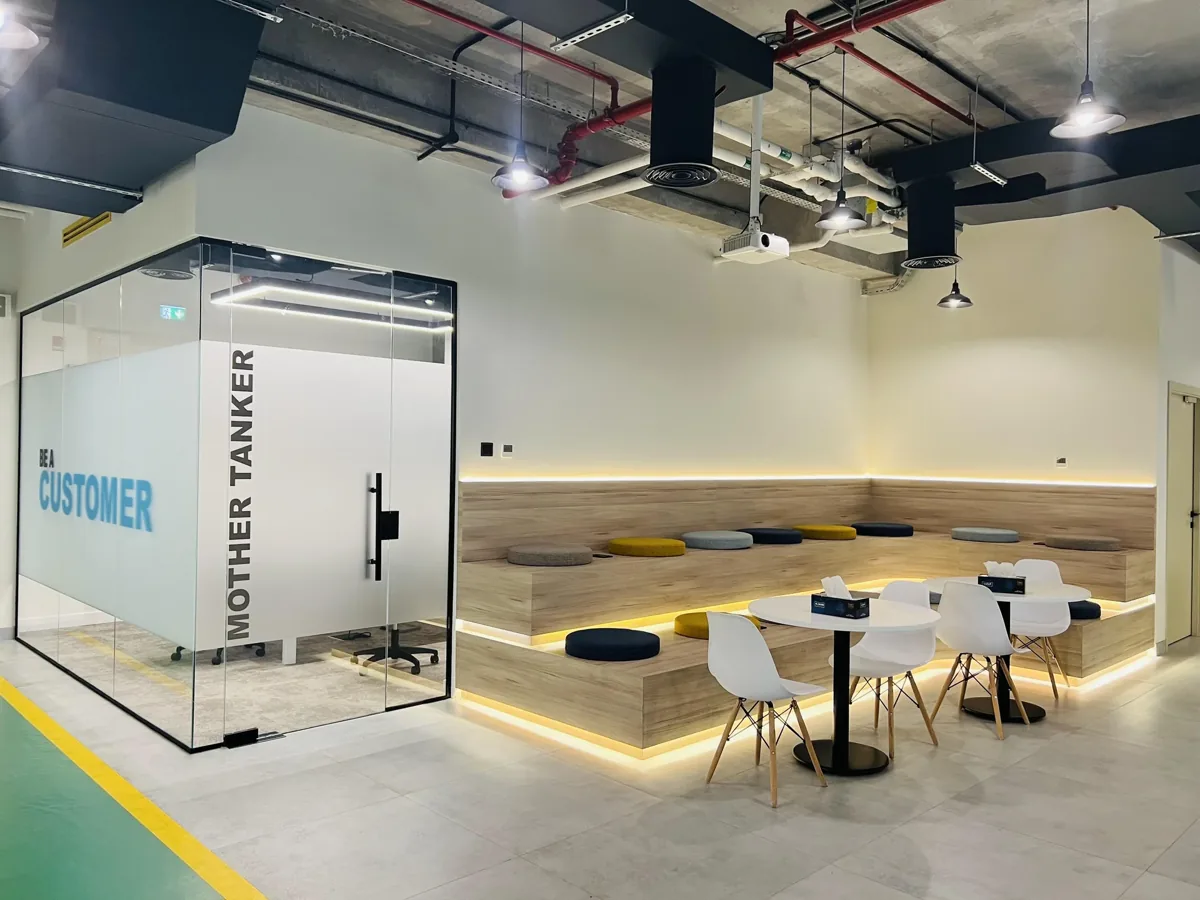
A rendered image, concept elevation and developed detail may all show the same room while carrying different levels of information. Ask what each document was intended to communicate. A visual reference can remain valuable without being adequate for procurement, specialist coordination or fabrication.
Review whether the package identifies materials, dimensions, junctions and responsibilities at the level needed for the proposed next step. A new contractor should not have to infer every hidden requirement from a photograph of a similar interior. If additional development is necessary, describe it as work to be appointed and programmed, rather than assume it will appear automatically once a construction price is accepted.
Trace important choices across the documents
Choose several decisions that materially affect the project and follow them through the record. A reception counter, meeting room, kitchen or storage wall can reveal whether the layout, elevations, finish schedule and supplier information describe the same intended arrangement. The aim is to understand consistency, not simply count the number of files delivered.
If documents disagree, record the conflict and the decision owner. Do not ask the incoming team to silently select whichever version is easier to price. A short clarification can preserve the client’s intention and prevent an assumption becoming a fabrication instruction. For the continuing issue process, see our drawing revision control guide; this initial review establishes which information should enter that process.
Check whether selected products can be understood and reviewed
A material name or image may not identify the intended product sufficiently. Look for the available references, sample record, finish description, intended location and any conditions the selection depends on. The reviewer should identify where the package can support a procurement discussion and where supplier confirmation is still needed.
Do not treat a similar appearance as evidence of equivalence. A replacement can affect dimensions, interfaces, care requirements and the character of the design. When reviewing joinery or office fit out in Dubai, ask how a proposed alternative will be assessed and who accepts it. The result should be connected to the design record, with technical matters reviewed by the relevant specialists.
Identify specialist design that is missing or uncoordinated
The interior package may depend on engineering, equipment, technology, signage or other specialist information. Make those dependencies visible. A ceiling plan may indicate a desired visual arrangement without establishing that the systems above it have been fully designed. A counter drawing may reserve equipment positions without confirming all installation requirements.
List the relevant appointed parties and the information each must provide. Ask how their inputs will be reconciled with the interior documents and who will resolve conflicts. The design responsibility guide explains decision ownership in more detail. A clear next-stage responsibility schedule is more useful than an overall approved stamp whose meaning differs between participants.
Verify the meaning of any approval evidence
Collect the actual review records and identify the premises, scope, document issue and conditions to which they relate. Client acceptance of a concept, landlord comments and an authority decision are different forms of evidence. The incoming team should understand which one is being presented and whether anything relevant has changed.
DDA’s published fit-out permit service is one example of a jurisdiction-specific process in Dubai. It does not establish the procedure for every property or prove that an inherited design remains suitable for a revised project. The responsible parties should confirm current requirements. Keep any outstanding fit-out approvals separate from aesthetic decisions so the client understands what must happen before the relevant work can proceed.
Connect the design gaps to the commercial scope
A gap matters because it leaves work, information or a decision without an agreed owner. Explain its practical effect. A missing equipment schedule may prevent comparable quotations; an unresolved joinery detail may require further design; a changed room use may create a new specialist assessment. Give each item a responsible party and a proposed next step.
Do not assume the lowest new construction price includes every task needed to make the inherited package usable. Ask bidders to state what they have allowed for and what information they require. An interior fit-out contractor can then price a defined appointment, while the client can distinguish design development, investigation, procurement and construction rather than conceal all uncertainty in one total.
Decide what to retain before commissioning revisions
A review should preserve useful decisions where they remain suitable and can be responsibly carried forward. Replacing every drawing may waste effort; retaining everything without examination can carry unresolved assumptions into a new appointment. Ask the reviewer to distinguish information that can support the next stage from material that needs checking or redevelopment.
Explain the reason for each recommended change. A revised brief, inconsistent documents, missing technical input or unavailable product can justify further work. A preference for a different presentation style alone does not establish that the original design has failed. The client needs an understandable basis for the scope, fee and programme of the next commission.
Issue a review outcome that the next team can use
The final review record should identify the documents examined, assumptions, limits and significant findings. It should distinguish confirmed decisions, open questions and recommended specialist actions. Attach clear references so the client can locate the relevant drawing, schedule or issue without relying on a reviewer’s memory of the meeting.
Agree how the findings will enter the next appointment. A list of observations is not a new coordinated design package, and a revised construction price does not automatically close every design question. Name the outputs and review stages required to resolve the findings. This keeps the handover between teams practical and prevents the client from believing that a review alone has completed all outstanding work.
Prepare a useful enquiry for a design-package review
Supply the current brief, property location, document register and the design information you are authorised to share. Explain the proposed delivery change and the decision you need to make. Identify existing appointments and any review or approval records that may affect the next stage. Avoid sending only the most attractive images if the question concerns procurement or construction readiness.
CBD Projects can discuss a defined review scope through the project brief form. Our interior design consultancy page provides context for advisory deliverables. The proposal should state what will be assessed, what evidence is required and which responsibilities remain with the client, original document owners, specialists or incoming delivery team.
Frequently asked questions
Does reviewing a design package make it construction-ready?
Not automatically. A review should identify its purpose, findings and limits. Further surveys, design development, specialist work or permissions may still be required before the package supports construction.
Should every inherited drawing be replaced?
No universal rule is useful. Assess which information remains suitable, dependable and available for the intended use. Record what can be retained and what needs confirmation or redevelopment, with reasons for the recommended scope.
Can a review settle permission to reuse another designer’s work?
No. Confirm the relevant rights, appointment conditions and responsibilities with the appropriate advisers and document owners. A technical or interior review is not a legal assessment of reuse permissions.
What should the client receive from the review?
Agree the outputs before appointment. A document register, findings, unresolved decisions and recommended next actions may be appropriate. The result should make the next scope clear rather than imply that every observation has already been resolved.
References and scope
References checked on 14 November 2026. Confirm current requirements and product instructions for the actual project; these links do not constitute project approval.
Plan your project planning project with one accountable team
Share the current design record and the next decision you need to make so CBD Projects can discuss a defined review appointment.
Send Your Project BriefBack to BlogRelated ServiceView Real ProjectsContact CBD Projects