

Workplace interior reference for the design review.
A project meeting ends with the words design freeze, yet different people leave with different assumptions. The client believes the visual concept is agreed. Procurement believes every finish can be ordered. A specialist supplier is still waiting for equipment information. Without a shared record, one phrase can conceal several incomplete decisions.
A design freeze in a Dubai fit-out should identify the information being held as a controlled reference for a particular next step. It is not automatically a ban on all future change, confirmation of every authority approval or permission to order anything shown on a drawing. The project documents and appointments determine responsibilities. This guide explains the practical questions a client can ask its interior design company, consultants and contractor so that a release decision is specific enough to be understood.
Jump to a section 12 topics
Define the purpose of the freeze
Ask what the team needs the freeze to achieve. It may establish a layout for coordinated engineering, a finish schedule for tender, or an interior package for a particular procurement release. Those are different milestones. A concept decision should not be described as a complete construction release when the information required for construction is still being developed.
State the purpose in plain language and identify the next activity it supports. For example, the client may be agreeing room allocations so the design team can develop detailed interior layouts. That does not mean final equipment models, specialist interfaces and joinery fabrication details are also approved. A focused definition allows each participant to understand what can proceed and what still needs its own review, without relying on a familiar project phrase whose meaning varies between teams.
Name the exact information being frozen
Create a dated register of the drawings, schedules, specifications and decision records included in the agreed reference. Record revision numbers and document titles. If a client signs a presentation, identify whether the approval concerns its visual direction, planning arrangement or a specifically stated set of detailed selections. Avoid treating every document shown in a meeting as having the same status.
The register should be accessible to the people who rely on it for the next stage. Superseded information should remain traceable but should not be confused with the current issue. An interior fit-out contractor pricing or ordering from an earlier drawing can create a problem even when the latest design is well coordinated. The practical control is a clear reference package and issue record, not a promise that everyone remembers the final conversation.
Separate approvals from assumptions
A drawing may contain a mixture of confirmed decisions and provisional information. Mark those distinctions before calling the package frozen. Identify assumptions about retained building systems, client-supplied equipment, landlord conditions and supplier details. Record who is responsible for confirming each assumption and which work depends on the answer.
This does not make the design unusable. It makes its limitations visible. A team may decide that a particular activity can proceed while another waits for information, provided the appropriate people understand and authorise that decision. The client should ask for the relationship between an open item and the proposed release, rather than accept an undifferentiated list of outstanding questions. A clear dependency is easier to manage than a general assurance that remaining matters are only minor details.
Give every open decision an owner
An unresolved choice needs someone authorised to decide it, the information needed for that decision and a date related to the work it affects. A client preference, an engineering assessment and a supplier confirmation require different owners. The interior design consultant can help coordinate them, but should not be assumed to make decisions outside its appointment or the client's delegated authority.
Use a decision schedule that identifies the location and consequence of each item. A late upholstery preference may affect an order; an unconfirmed equipment model may affect several drawings and service connections. Ask the responsible team to explain the difference rather than place both items under one generic heading called client approvals. This makes the next review useful and helps the client direct attention to decisions that materially affect the proposed release.
Check the specialist interfaces before dependent work is released
Interior packages can depend on engineering, audiovisual, security, furniture and other specialist information. Ask which interfaces have been coordinated and what evidence supports that status. A placeholder symbol for a piece of equipment is not equivalent to current supplier information for the actual selected model and configuration.
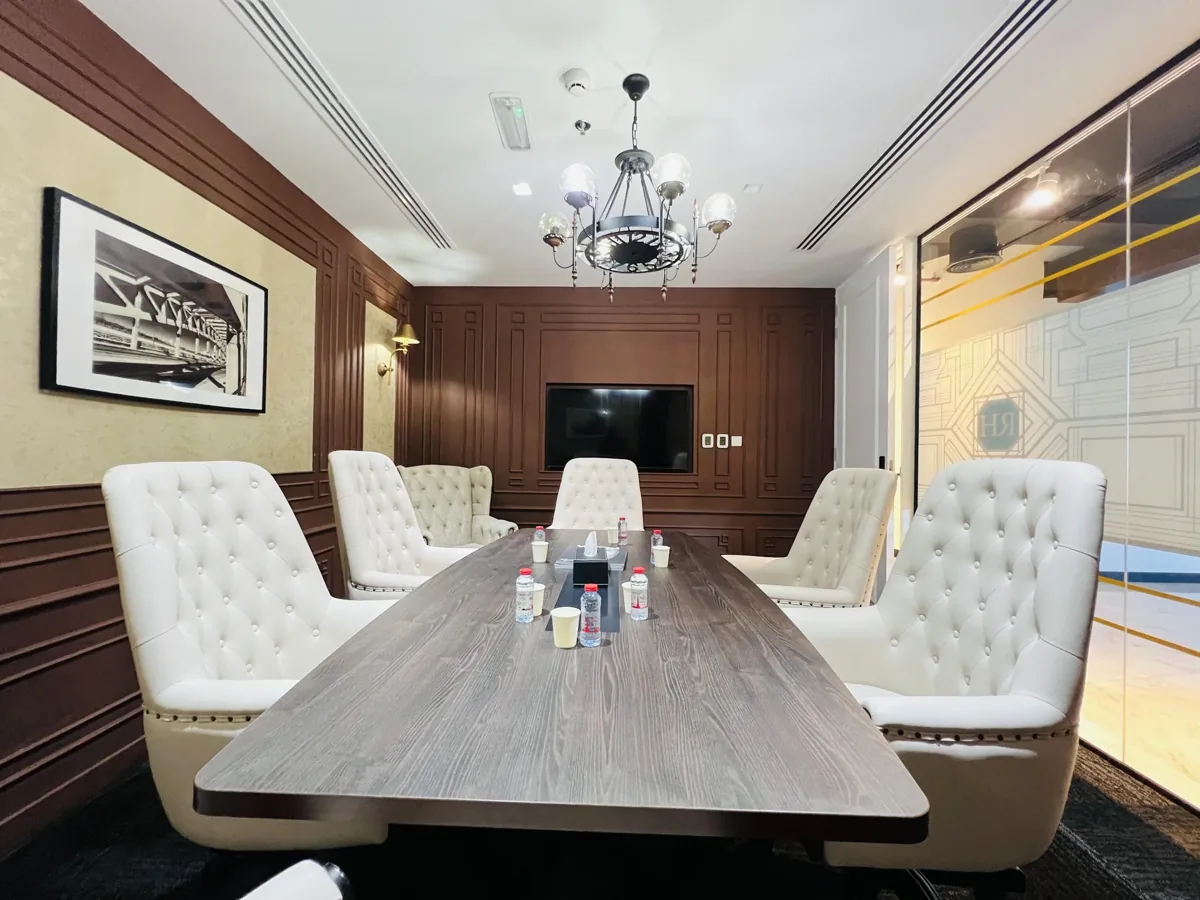
For office fit out in Dubai, a meeting table can illustrate the point. Its size, seating arrangement, equipment and connection strategy may involve several parties. Agreement on its appearance does not establish every technical detail underneath it. The same principle applies across sectors without requiring the client to resolve specialist design independently. Ask the responsible professionals to identify the interfaces that need confirmation, who reviews them and which dependent drawings or purchases should remain conditional until that work is complete.
Review samples and drawings as connected evidence
A finish sample can establish colour or texture while leaving its exact location, installation detail and quantity unresolved. Conversely, a drawing may show the intended material without identifying the final approved product. Connect the sample reference, product information and drawing revision so the purchasing team can understand what the client actually selected.
The design freeze record should say which of these decisions is settled. If the approved sample differs from a written specification, resolve the conflict before relying on either for procurement. Ask the interior design firm and relevant supplier to explain any limitations or remaining checks. A signed swatch should not become an accidental acceptance of substrate preparation, specialist performance or every proposed installation method. Those matters need the appropriate project-specific information and review.
Distinguish tender information from information ready to order
A tender package allows bidders to price a described scope, sometimes with defined allowances or outstanding selections. Information suitable for a pricing exercise may still need development before fabrication or installation. The project team should identify the status of each issue rather than assume the word final means the same thing to every recipient.
When comparing fit out companies in Dubai, ask how their proposals handle further design development, supplier details and approval stages. A price based on stated assumptions can be evaluated when those assumptions are visible. It is harder to manage when they are hidden behind a blanket description such as complete fit-out. The freeze review should connect the information available to the particular commercial or construction action being authorised, while the contract and appointments establish the relevant responsibilities.
Assess a proposed change before instructing it
A later request may be worthwhile even after a controlled reference has been agreed. The useful response is to understand its effect before authorising action. Record the requested change, reason, affected location and information that the responsible parties need to assess it. Avoid replacing the approved design with an informal sketch sent directly to one supplier.
Ask the relevant team to identify effects on adjacent work, specialist interfaces, approvals, cost and programme. Some changes are local; others reopen earlier decisions. The client's authorised representative should understand the assessment before an instruction is issued through the agreed process. This guide is about the design status and release decision. For the commercial record of a change, see the separate fit-out variation review guide; a design freeze note does not replace the project's contractual change procedures.
Make substitutions part of the same review process
Availability or lead-time changes can prompt an alternative product after the initial design selection. A visual match should not automatically be treated as an equivalent substitution. Ask for the proposed product, reason for change and relevant information needed to compare its appearance, dimensions, installation, maintenance and appointed performance requirements.
The interior fit-out company should connect the approved response to the purchasing and installation records. If a substitute affects other details, update the relevant documents rather than leaving the team to remember an exception. Interior fit out consultants in Dubai can assist with the aspects within their appointment, while technical and commercial assessments remain with the appropriate responsible parties. A controlled substitution record makes the installed outcome understandable without pretending that a frozen design can never change.
Manage a phased project through more than one release
Large or occupied projects may need different areas or packages to progress at different times. In that situation, identify the boundaries of each release and the interfaces between them. A room package can be sufficiently developed for one activity while an adjoining zone remains under review. The team should understand what is being protected from change and what is deliberately still open.
Discuss how later decisions could affect work already ordered or installed. A staged programme requires coordination across package boundaries, not only separate dates on a schedule. The client should ask the design and delivery teams to explain those interfaces before accepting an early release. This is especially important when the operator, landlord or a nominated supplier provides information in stages. Record the authorised assumptions and the process for revisiting them if the promised information changes.
Close the loop between approval and the current documents
Once a decision is made, ensure that the relevant drawing, schedule or specification reflects it. A signed meeting minute can be useful evidence, but procurement and site teams also need an understandable current package. Identify who issues the revision and who receives it. Check that obsolete information is not still being used at an active work location.
Keep the record proportionate to the project. The objective is not a large document archive with uncertain authority. It is a traceable connection between the client's decision, the responsible designer's update and the information used for the next activity. An effective review can be quite focused when the documents, owners and release boundaries are clear. The record should make that clarity durable instead of depending on the presence of the person who attended the meeting.
Use a short release conversation before committing
Before the next stage, ask the team to identify the reference package, its purpose, the unresolved dependencies and the people authorised to approve the release. Confirm how changes and substitutions will be reviewed. Ask which actions can proceed on the available information and which must wait for further input from the relevant responsible parties.
For a Dubai commercial interior, CBD Projects can discuss these design and coordination questions within an agreed appointment. Share the available drawings and the stage your project has reached through our project brief form. Our commercial fit-out service provides the wider project discussion. The purpose of a design freeze is a reviewable basis for the next decision, not reassurance that every possible uncertainty has disappeared from the project.
Frequently asked questions
Does design freeze mean nothing can ever change?
Not automatically. Its meaning should be defined in the project documents and release record. Later changes may be considered through the agreed assessment and instruction process. The important point is that their effects are understood and authorised before dependent work is changed.
Can procurement start while some decisions remain open?
That is a project-specific decision for the responsible appointed parties and authorised client representative. Identify the exact purchase, information available, unresolved dependencies and consequences before deciding. A general statement that the design is frozen should not replace an informed release decision.
Is client approval the same as authority approval?
No. Client design decisions, landlord reviews and relevant authority permissions have different purposes and responsibilities. Establish which requirements apply to the actual premises and scope. A client signature on a concept or drawing should not be presented as obtaining every permission needed for the works or business.
What should a small project record include?
At minimum, make the agreed reference, purpose, open decisions, responsible people and change route understandable. The appropriate team should decide the detail required for the actual project. A concise reliable register is more useful than a large collection of documents whose status and authority are uncertain.
Plan your commercial interior planning project with one accountable team
Send CBD Projects your current design package and next procurement milestone to discuss a defined design and fit-out coordination scope.
Send Your Project BriefBack to BlogRelated ServiceView Real ProjectsContact CBD Projects