
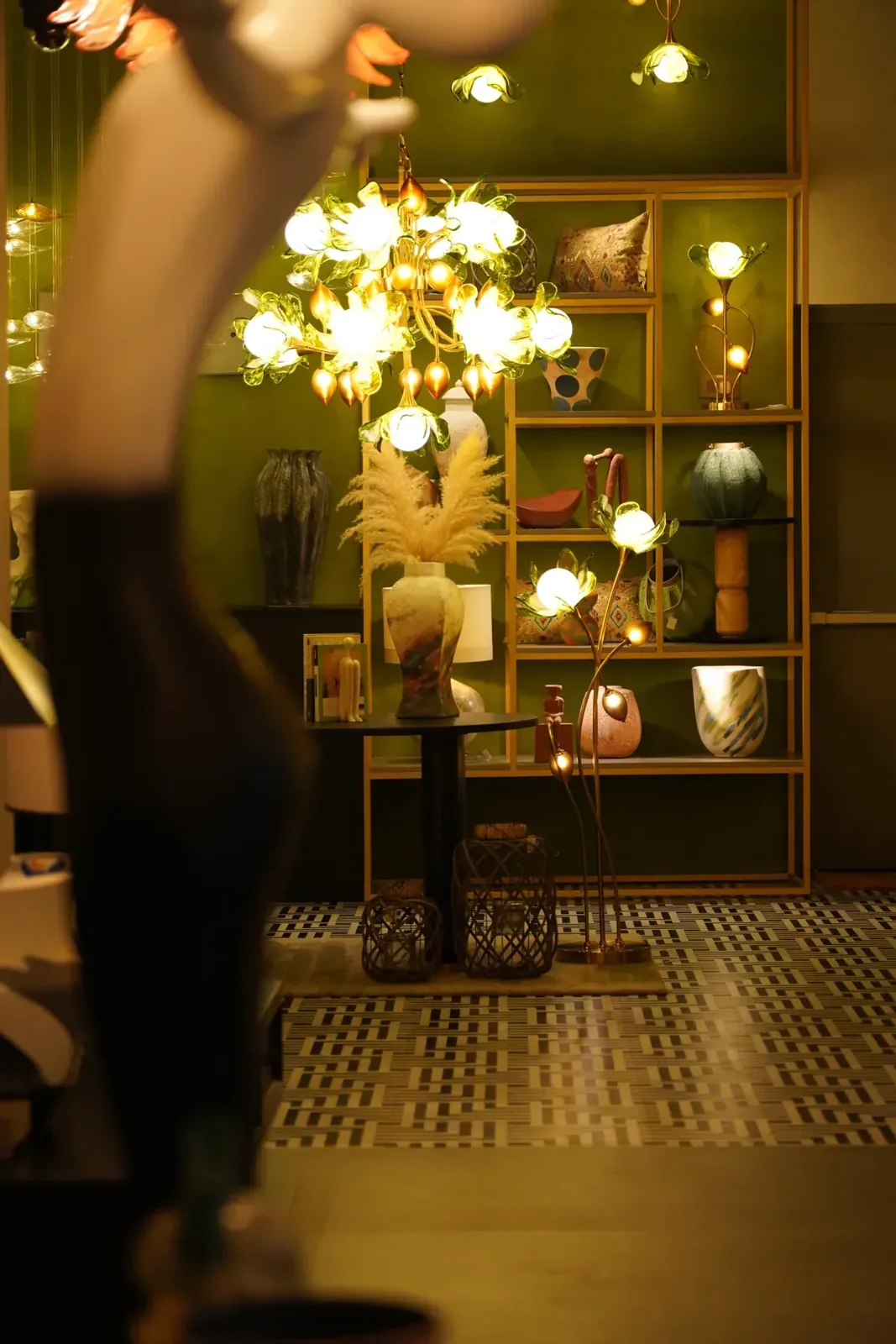
Interior reference for automotive showroom customer handover design.
A customer arrives to collect a vehicle while another family is still being shown its features. The next car is ready, but the only explanation position is occupied. A salesperson offers the consultation table, where somebody else is discussing a purchase. The problem is not the amount of polished floor. The showroom has treated handover as the last few minutes of selling rather than an appointment with different people, information and movement.
A showroom interior design company should establish what a successful collection includes before choosing a reveal wall. This guide concerns that customer-facing sequence. Vehicle preparation, technical checks, legal transfer and permission to release the vehicle remain with the responsible dealership teams and advisers.
Jump to a section 13 topics
Separate commercial completion from the collection experience
Ask the operator to list the decisions that must already be complete when a collection appointment begins. Then list what genuinely happens with the customer present: confirmation through the dealership's authorised process, an explanation, a vehicle review and departure. Give each task a named owner. A designer should not infer that a vehicle is releasable because it has been placed beneath the feature lighting.
Identify the point at which the host receives reliable readiness information. If one outstanding matter can postpone the appointment, establish where the customer waits and who explains the next step. That operating decision protects the handover setting from becoming an improvised dispute or administration desk. It also prevents an attractive reveal from implying that the dealership has completed decisions which its responsible teams still need to make.
Choose what the customer should be able to do before leaving
Describe the explanation as actions rather than a list of equipment. The customer may need to see a control, follow a demonstration, ask questions and recover the information later. Ask the dealership's qualified product team what it normally explains and which activities are appropriate inside the premises. The interior brief needs the resulting views, staff positions and supporting materials.
A screen showing a promotional film serves a different purpose from a surface where a customer reviews an unfamiliar feature with the adviser. Decide whether both are required. If the explanation depends on the customer using their own device, have the operator and its technology specialists define the permitted process. Do not make the customer-facing counter a permanent technical troubleshooting station without providing the staff time and space that service needs.
Compare a dedicated handover position with an adaptable bay
A dedicated position can preserve a recognisable collection experience and keep preparation predictable. An adaptable display bay can avoid reserving floor area between appointments. Compare them using the actual collection diary and the work required to change the bay. A space is not available for both purposes at the same time merely because its furniture can move.
In a hypothetical dealership, collections are concentrated around a particular part of the week while walk-in sales remain steady. Compare retaining one prepared collection setting with converting a display position for each appointment. Include removing marketing props, receiving the vehicle through the assessed route, establishing the explanation setup and restoring the display. Ask the operator which changeovers it can reliably staff. The answer may favour a modest permanent handover position over a larger theatrical bay that is rarely ready when required.
Put accompanying people into the appointment plan
A collection may involve a partner, relatives or someone helping the customer travel home. Ask the operator what attendance pattern it normally accommodates. Draw those people during the explanation, not simply in reception before it. A companion seated behind the adviser can miss the feature being discussed, while a group standing close to the vehicle may occupy a route the plan assumes remains clear.
Provide a deliberate place for bags, documents and refreshments if the dealership offers them. Test it with representative objects. The responsible designers should assess access and movement needs for the intended visitors. Avoid assuming that a grand sofa solves every family appointment. Sometimes a smaller waiting setting connected to the explanation position gives companions a clearer choice about participating without making staff continually rearrange the room.
Coordinate the vehicle journey with qualified specialists
Obtain the operator's vehicle range and the information needed by its appointed handling, building and design professionals. Ask them to assess the actual route, receiving position and operating arrangements. The interior team should not derive a movement method from a photograph of another showroom or a generic vehicle outline. Keep any conditions governing vehicle movement explicit in the project information.
Compare the initial fit-out installation with the completed showroom. Displays, furniture and customer activity can change what is usable later. Where equipment, charging or other technical provisions are proposed, have the responsible specialists determine suitability and applicable requirements for the premises. A convenient decorative socket or empty bay is not a technical design. Record the accepted interfaces before finishes are released, while retaining the dealership's authority over who moves vehicles and when.
Give private questions an appropriate setting
Some conversations can remain brief and public; others concern customer records, an unresolved commercial matter or a personal preference. Ask the dealership which exchanges require a more discreet position and how the host obtains support. Keep information-handling decisions with the operator's responsible teams. The designer needs to understand the physical consequences without receiving real customer information.
Use fictional documents to test a customer asking a private question while another family waits. Compare a nearby enclosed consultation room with a different desk arrangement and staffing sequence. Screening a view does not establish speech privacy. Where confidentiality is required, ask the appropriate specialists to assess the complete setting. The broader showroom design guide addresses purchase decisions; collection needs its own route to a private discussion without reopening the entire sales journey.
Review lighting with the explanation in progress
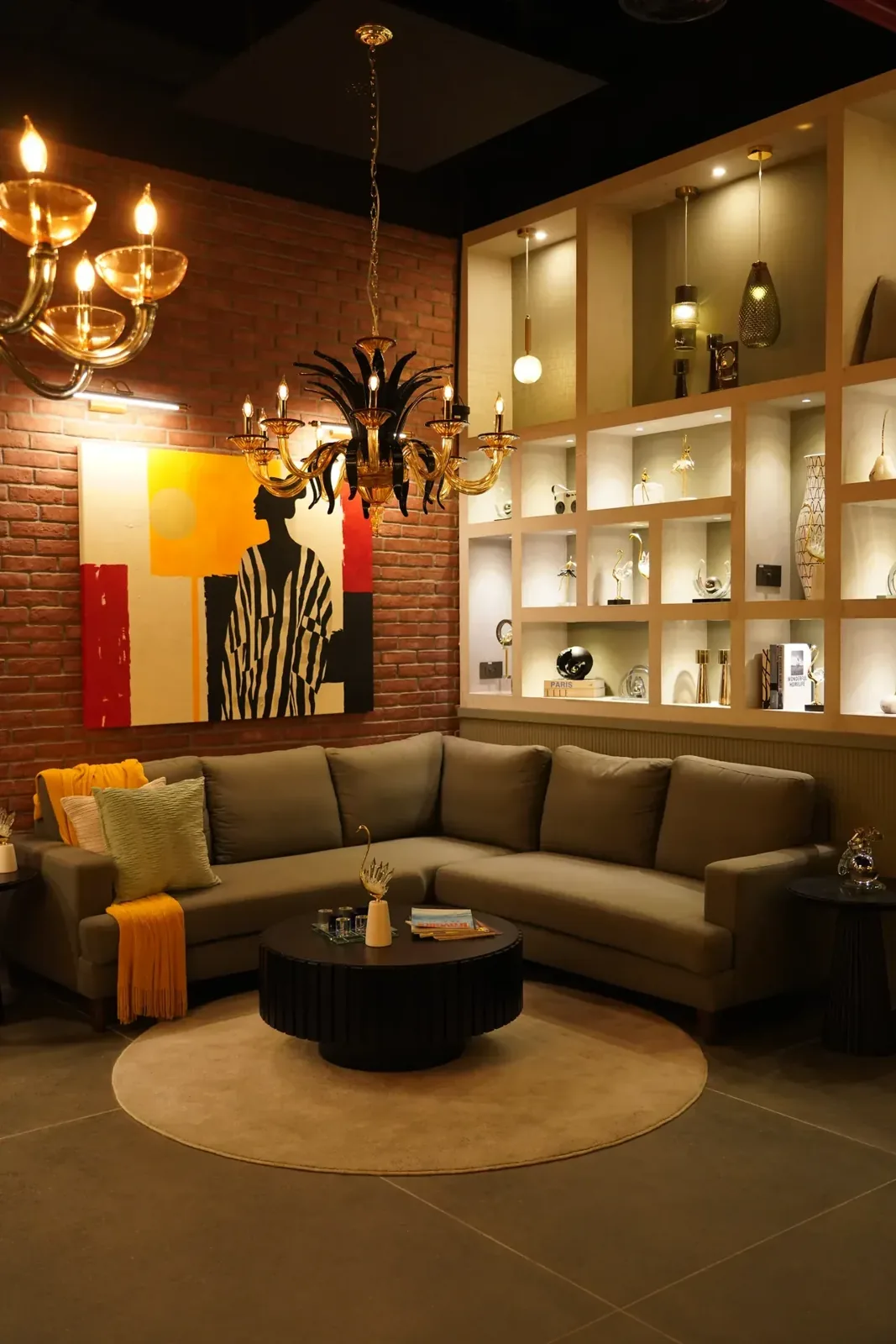
The vehicle, adviser and customer need different views during an appointment. Review the proposed lighting with representative finishes and the actual explanation positions. A striking reflection may suit a display photograph while obscuring the detail the adviser wants the customer to inspect. Ask the lighting and technical specialists to assess the intended tasks rather than judge the bay from one empty-room rendering.
Include the customer's ordinary photographs if the dealership permits them, while following its privacy process. Decide where another customer's vehicle or documents could enter the background. Keep celebration and explanation distinct: a photographic moment should not consume the only working position while the next appointment needs it. The retail lighting guide can help frame the sample review, with final provisions established for the actual handover setting.
Keep keys, accessories and appointment material identifiable
Ask the operator how it associates authorised handover items with the correct appointment. Do not include sensitive procedures or credentials in public design documents. The physical brief can identify a controlled staff position, a working surface and the storage categories the authorised team requires without describing security configurations.
Use fictional references in a rehearsal involving two consecutive collections. Ask a substitute host to locate the approved material through the operator's process and identify items awaiting a decision. Separate them from ready appointments. An elegant cabinet is of limited use if staff must remember which unlabelled tray belongs to which customer. Conversely, avoid over-designing a storage system before the dealership has established who owns its records and how the current appointment status is communicated.
Plan the appointment that takes longer than expected
A customer may need more explanation, arrive late or raise a question requiring another colleague. Define the host's next step before adding another bay. The operator should decide which commitments can move and what experience it promises the waiting customer. The layout should support that decision rather than assume every appointment ends exactly on schedule.
For a hypothetical overlap, place the first customer beside the vehicle with an adviser still explaining a feature. The next customer arrives with a companion. Test a useful welcome and preparation activity that can begin elsewhere without exposing the first customer's discussion. If both appointments require the same vehicle position immediately, another lounge merely hides the conflict. Compare a changed diary interval, a narrower explanation process or separately assessed additional provision using the same staff assumptions.
Show the reset and the ordinary maintenance condition
After collection, identify what staff return, clear or replenish before the next appointment. Include presentation furniture, approved display accessories and customer-facing information. Give the routine an owner and a realistic place for items in transit. A bay can be visually empty while still unavailable because the next vehicle or its supporting material is not ready.
Review maintainable items with the final layout present. Ask suppliers how screens, lighting components and other integrated equipment are reached without disturbing unrelated finishes. The maintenance access guide provides a useful coordination framework. Keep technical tasks with authorised specialists and routine reset tasks with the operator. This distinction helps the dealership receive a space it can restore between customers instead of a set that only its installer knows how to reconstruct.
Price the handover service through its interfaces
Identify which party supplies furniture, display technology, branding, technical connections and any separately appointed equipment. Ask each supplier to state its installation information, exclusions and attendance. Compare the complete working setting rather than a bay rate with no explanation of what makes it operational.
Keep dealership purchases visible beside the fit-out scope. A directly purchased screen can still need support, cabling, configuration and an agreed user workflow. If a product changes, trace the affected detail before ordering. The client should understand whether it is approving a new appearance, a changed operating arrangement or a proposal still awaiting professional review. This makes tender comparisons more useful without inventing market prices or suggesting that one procurement label guarantees a complete result.
Give the customer a deliberate belongings transition
If the collection involves another vehicle or personal items, ask the operator how that part of the visit is handled and who assists. Keep any vehicle handling and custody decisions with the authorised dealership team. The designer needs to understand the customer positions, ordinary objects and route the approved process uses.
In a hypothetical appointment, a customer has bags and a companion while the adviser prepares the departure explanation. Trace where those belongings wait and how they return to the customer. Avoid making the explanation seat or another appointment's display surface the default holding place. Compare an identified local landing position with a different appointment sequence, using the operator's actual offer. The arrangement should make the transition understandable without creating an unagreed storage service. Record who clears the position before the next collection so a small personal task does not leave the handover bay looking ready while its useful space is still occupied.
Accept two appointments and one departure
Run a non-trading rehearsal with fictional customer information, the intended staff and representative appointment material. Include a delayed explanation, an arriving companion and the transition to departure under the operator's assessed arrangements. Record what was demonstrated, which technical checks remain separate and who owns each correction.
Finish by asking a host who missed the design meetings to repeat the routine from the current operating information. They should understand where to welcome, explain, seek help and reset. The design is useful when the dealership can deliver the agreed collection experience on an ordinary busy day. It should support the responsible teams' decisions without substituting a reveal photograph for technical readiness, customer authorisation or permission to release the vehicle.
Frequently asked questions
Does every automotive showroom need a separate handover room?
No. Compare the appointment pattern, privacy needs, vehicle route and reset effort. A dedicated position or an adaptable bay may work, but each needs a demonstrated operating arrangement.
Can an electric vehicle display point double as a handover charging point?
Have the operator and qualified technical team assess the actual equipment, premises and proposed use. Do not infer suitability from an available outlet or a previous display arrangement.
What should the dealership bring to the design brief?
Bring the collection sequence, vehicle range, representative appointment material, staff roles, companion patterns and known building information. Use fictional customer details when testing privacy and information flow.
Plan your retail and hospitality interiors project with one accountable team
CBD Projects LLC provides interior design and fit-out coordination across Dubai and the UAE. Share your space, location, target opening date and budget range for a practical first review.
Send Your Project BriefBack to BlogRelated ServiceView Real ProjectsContact CBD Projects