
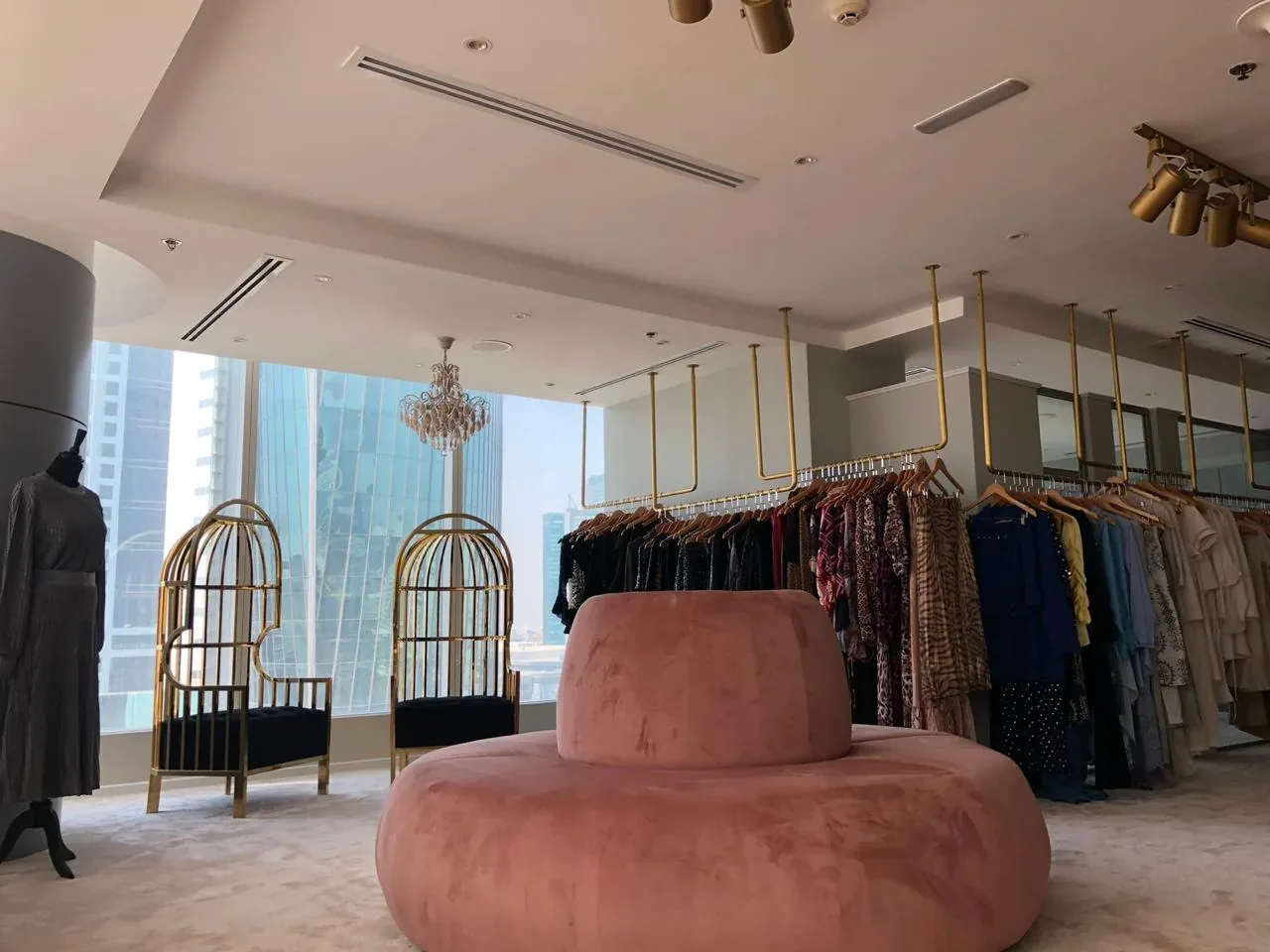
A showroom should connect product storytelling with demonstration, consultation and fulfilment.
A showroom is different from a conventional shop. Customers may compare technical options, test products, discuss a project and return several times before purchasing. The space should make complex choices feel clear while giving the sales team the tools and privacy to support them.
Map the decision journey, group products in a useful comparison structure, design realistic demonstration areas, combine open discovery with consultation, integrate samples and technology, and plan storage, replacement and staff workflows behind the presentation.
Define the customer decision journey
Identify what customers need to discover, compare, touch, test and discuss. Organise the route around decisions rather than filling every wall with product. Use clear focal points and allow visitors to understand the offer without immediate staff assistance.
Display products in believable contexts
Where relevant, show products at realistic scale and under representative conditions. Mock rooms, material assemblies or working demonstrations can reduce uncertainty. Allow enough viewing distance and safe interaction space.
Support consultation and specification
Provide tables, comfortable seating, screens, power and organised samples for detailed discussions. Consider privacy for commercial conversations while keeping staff connected to the display floor.
Integrate digital tools carefully
Use screens, configurators and media where they help explain options or unavailable variants. Avoid digital clutter that competes with the physical product. Plan data, ventilation, maintenance and content ownership.
Resolve back-of-house and change
Plan receiving, sample storage, packaging, staff belongings, cleaning and damaged-display handling. Display systems should be durable and adaptable as ranges change without requiring major reconstruction.
Frequently asked questions
How is a showroom different from a retail store?
Showrooms often support longer consideration, demonstration, specification and consultation rather than immediate shelf-based purchase.
Should every product be displayed?
Usually not. A clear representative range supported by samples or digital tools can be more useful than visual overload.
What makes a showroom easy to update?
Modular display elements, accessible power and data, replaceable graphics, documented fixings and planned storage support change.
Plan your showroom interior design project with one accountable team
CBD Projects LLC provides interior design and fit-out coordination across Dubai and the UAE. Share your space, location, target opening date and budget range for a practical first review.
Send Your Project BriefBack to BlogRelated ServiceView Real ProjectsContact CBD Projects