

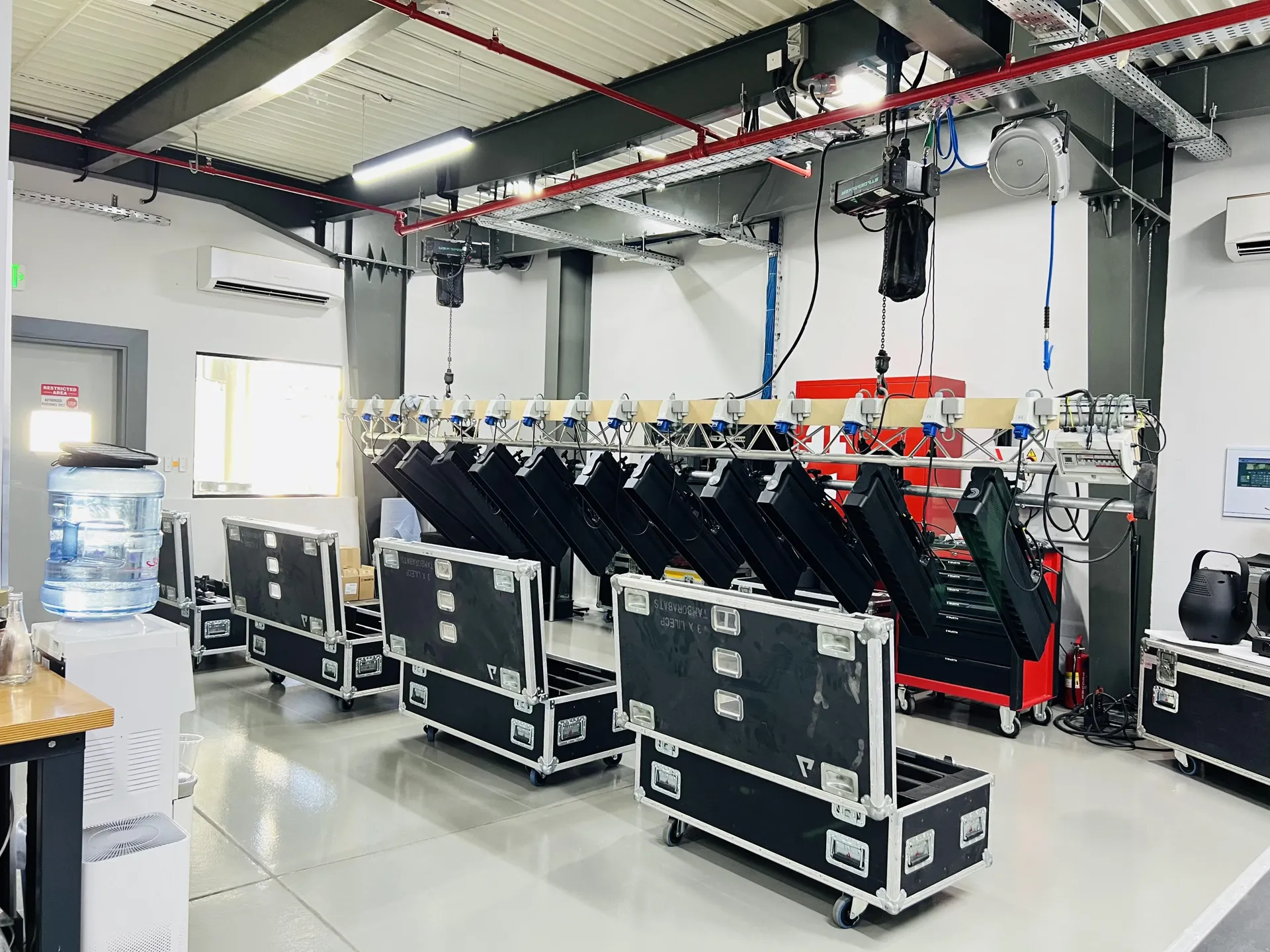
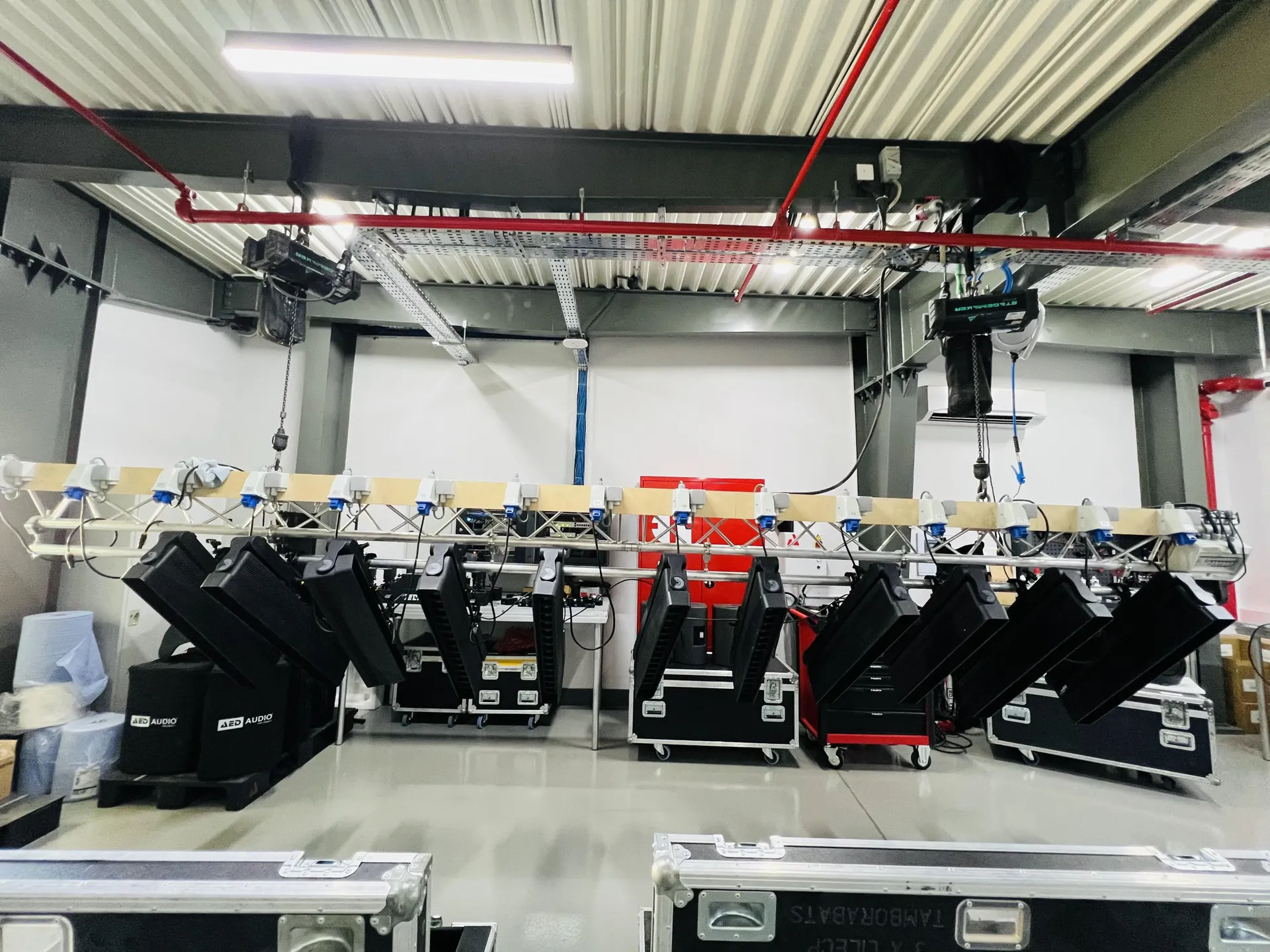
Illustrative design concept.
Count the peak overlap of ready, delayed and exception shipments. Test a late collection against the next release of orders. Give operators visible destinations for each status before fixing barriers, scanners or permanent markings.
Start with yesterday's last collection, not yesterday's sales total. Write down what was still on the floor when the vehicle left, including the order nobody could load because its label was wrong. Those are the items the next shift inherits. A dispatch plan that begins each morning with empty bays may only work on the drawing.
Jump to a section 13 topics
Measure what waits, not only what ships
Record representative busy periods: when orders become ready, when carriers arrive, how long consignments wait and which shipments miss collection. Count occupied pallet or trolley positions as well as order numbers. Ten small parcels and ten bulky assemblies do not create the same space demand.
For example, an illustrative distributor may complete most orders before lunch but have two late-afternoon collections. The daily shipment total conceals the accumulation between those events. Use the busiest credible overlap to test the plan; do not convert average daily throughput directly into a floor area.
Separate ready shipments from exceptions
Give incomplete documentation, damaged packaging and cancelled collections an explicit holding process. Otherwise these items occupy ready-to-load positions and make the layout appear undersized. The operations team should define who moves an exception, who releases it and how its status is visible.
Coordinate physical locations with the warehouse system or dispatch register. A painted bay without an agreed status process will not prevent a shipment from being loaded twice or overlooked. The fit-out brief should include a location schedule, not just a coloured plan.
Which staging pattern fits the operation?
| Arrangement | Works when | Test that could change the choice |
|---|---|---|
| One lane per carrier | Carrier and destination are known early | A missed collection occupies the next wave's lane |
| One lane per departure | Several carriers share a planned consolidation window | An early truck must retrieve its load without disturbing another |
| Shared numbered positions | The dispatch system reliably identifies the position of every order | A scanner outage leaves a clear manual method for releasing orders |
| Separate exception bay | Someone owns incomplete or disputed orders | One damaged carton does not immobilise the rest of a complete consignment |
Test the loading sequence and pedestrian journey
Walk through arrival, identification, checking and loading with the actual operator. Review turning and handling needs with equipment suppliers and the responsible safety team. Keep the proposed arrangement coordinated with the approved fire strategy and access requirements; this guide does not prescribe universal aisle dimensions.
The warehouse pedestrian route guide addresses people movement separately. Where drivers need paperwork, place the interaction so they do not have to wander through active handling areas. Resolve building-management restrictions before altering a loading interface.
Specify modest work with a complete scope
Changes may involve floor preparation and markings, protective barriers, a document counter, lighting adjustments or power and data for scanning. Record the installation and maintenance interfaces for each item. Confirm floor condition and product suitability rather than applying a coating over an unknown substrate.
A fit-out company in Dubai should distinguish an operational layout adjustment from structural or building-services work requiring specialist design and approvals. Use the dock interface guide where the scope extends to loading equipment.
Run a trial before fixing the final layout
Use a controlled trial agreed with the operations and safety teams. Review one normal period and one planned busy scenario without creating obstructions. Record overflow positions, repeated crossings and shipments that could not be identified quickly.
Approve the final bay plan only after resolving those findings. Handover should include the location schedule, cleaning and marking repair instructions, and the owner of future layout changes. The success measure is reliable dispatch within the agreed operating conditions, not simply a photograph of an empty warehouse.
Calculate the space occupied at three points in the shift
Take an illustrative Dubai distributor that has eight pallet positions ready at noon. Six more become ready before the first truck arrives. If the first truck takes ten, four remain. If it is an hour late and a further five positions are released in that hour, nineteen positions must be accommodated before any are cleared. The same nineteen outbound positions can create very different peaks simply by changing the collection time. This is a count of load positions, not an instruction about how tightly to arrange them.
Mark those positions on the drawing using actual pallet, trolley and overhanging pack geometry. Ask the responsible team to mark handling space separately so it is not counted as spare storage. Check whether the first ten loads are retrievable in the sequence the operator wants. An apparent nineteen-position layout can be functionally smaller if the first truck's last pallet is behind the second truck's load.
Compare two responses to the late truck. A dedicated overflow location preserves the production release schedule but needs a known status and a route back to loading. Holding further releases upstream keeps dispatch clear but may block packing. Put the consequence on the department that would actually experience it, then ask that supervisor whether the plan can work on a normal shift. Do not call a problem solved because it moved out of the dispatch photograph.
Make one exception traceable from label to van
Suppose a twenty-carton order has one unreadable label. Ask the operations lead whether the whole order must wait or whether a partial dispatch is permitted. The design team should not invent the rule; its job is to make the chosen method workable. If the entire order waits, the exception area may need to accommodate the associated handling unit rather than one carton on a desk. If partial release is allowed, the checker needs a reliable way to reconcile what remains.
Rehearse the correction with a scanner, replacement label and the actual paperwork. Can the checker identify the released item without stepping into an active loading movement? Can the driver get confirmation without looking for staff among the pallets? Compare a document hatch or defined handover point with changing the driver check-in routine. Select the arrangement the operator can staff when two carriers arrive together.
Handover should preserve the location IDs used in both the dispatch system and the physical layout. A future supervisor adding a carrier then has a controlled choice: assign existing flexible locations, change the wave calendar, or request a layout review. Measuring the duration of the oldest waiting order alongside the number of occupied positions will help distinguish a permanently blocked lane from a genuinely undersized dispatch area.
Define the unit that occupies a staging position
Ask operations whether a position represents a pallet, trolley, roll cage, parcel group or another actual handling unit. Record overhanging or unusually shaped loads through the relevant supplier and competent team's assessment. An order count alone may conceal several separate physical units.
For a hypothetical consignment of three cartons and one bulky item, ask whether all four occupy one identifiable location under the operator's process. If they wait in different places, establish how staff locate the complete consignment. The design team should support that method without inventing the release rule.
Keep position references aligned with the warehouse system or agreed register. A lane name that changes between the plan, scanner screen and staff speech creates unnecessary clarification. Reconcile references before permanent signs or labels are ordered.
Give a cancelled collection a controlled destination
Ask what happens when an order has reached staging but the customer or carrier changes the collection. The operating team should determine its status, ownership and release conditions. The physical plan needs a destination supporting that decision rather than leave the shipment indefinitely in the next departure's space.
Use a hypothetical late cancellation to trace the handoff from customer service to dispatch. Who confirms the instruction, who changes the location record and who informs the loading team? Use fictional order information in the design exercise. A new exception bay is useful only when someone can explain the associated process.
Compare holding the whole handling unit with another operator-approved arrangement where appropriate. Identify the consequence for packing and stock availability as well as dispatch. Do not describe an empty ready lane as an improvement if the same unresolved shipment now blocks another department.
Prepare carrier information where it is used
List the documents, labels or electronic checks the operator uses at handover. Identify the screen, printer, writing surface and staff position required. Keep the procedure and information-handling rules with the business; the designer needs representative physical tasks and equipment.
Rehearse two carriers arriving together with fictional records. Ask where each person waits while staff resolve a query and whether another shipment can continue through the approved loading arrangement. The competent operating and safety teams should assess the complete interface.
Include consumables and printer accessories in the counter inventory. A paper roll stored across the warehouse can create repeated interruptions, while bulk cartons may not belong at the working position. Define both working stock and replenishment.
Transfer the unfinished shift as a visible list
At shift change, ask the outgoing team to identify ready loads, unresolved exceptions and collections still expected through the operator's process. Give the incoming team a reliable source of location and status information. A verbal description of several pallets near the door may be insufficient.
Use a hypothetical night handover with one delayed carrier and one order requiring clarification. Ask which role receives the open actions and how it locates the associated goods. Keep any decision about loading or release with authorised operating personnel.
Make room and equipment references usable by relief staff. At handover of the fit-out, have a nominated employee find a fictional shipment location and the relevant support contact from the records. Correct unclear signs or naming without treating the exercise as technical approval of a handling method.
Change location plans through one current record
Adding a new carrier can tempt a supervisor to rename a lane or move a barrier informally. Ask which team reviews proposed changes to staging, handling and pedestrian arrangements. Competent parties should assess relevant technical and safety consequences before implementation.
Record the approved location change in drawings, system references and operating information together. Identify any old signs to be removed. A revised electronic map alongside an unchanged physical label can make the operation harder to manage than the original arrangement.
Keep marking and barrier product references available for maintenance through the relevant supplier instructions. Ask who arranges repairs and how a temporarily unavailable position is represented. The aim is a current usable layout, rather than a launch-day plan that gradually differs from the floor.
Review the oldest unresolved shipment during ordinary operating meetings. Ask what decision is missing, who owns it and which position it occupies. This can reveal a service or information problem that another strip of staging floor would only hide.
Compare a busy-season product mix with the ordinary mix before treating the accepted plan as unchanged. The same number of orders can occupy different physical units when promotional packs or larger products are introduced. Ask operations to provide representative packaging and identify what has changed.
Run the changed mix through the same ready, exception and carrier handoff process. Competent teams should review any affected handling and movement arrangement. Record whether the response is another collection pattern, a defined temporary provision or a physical change needing design review. This makes seasonal planning a specific decision rather than a promise that flexible staging can absorb any volume.
Frequently asked questions
Is dispatch staging the same as packing?
No. Packing prepares the shipment; staging holds ready or controlled-exception shipments until collection.
Can spare racking solve a staging shortage?
Only if it suits the shipment and handling process. First identify whether delays, collection timing or exception stock are consuming the space.
What should be sent for a staging review?
Provide a measured plan, shipment sizes, peak collection pattern, handling equipment details and photographs of actual busy periods.
Plan your commercial fit-out planning project with one accountable team
Send CBD Projects your warehouse plan, peak dispatch pattern and proposed changes for a coordinated fit-out scope review.
Send Your Project BriefBack to BlogRelated ServiceView Real ProjectsContact CBD Projects