
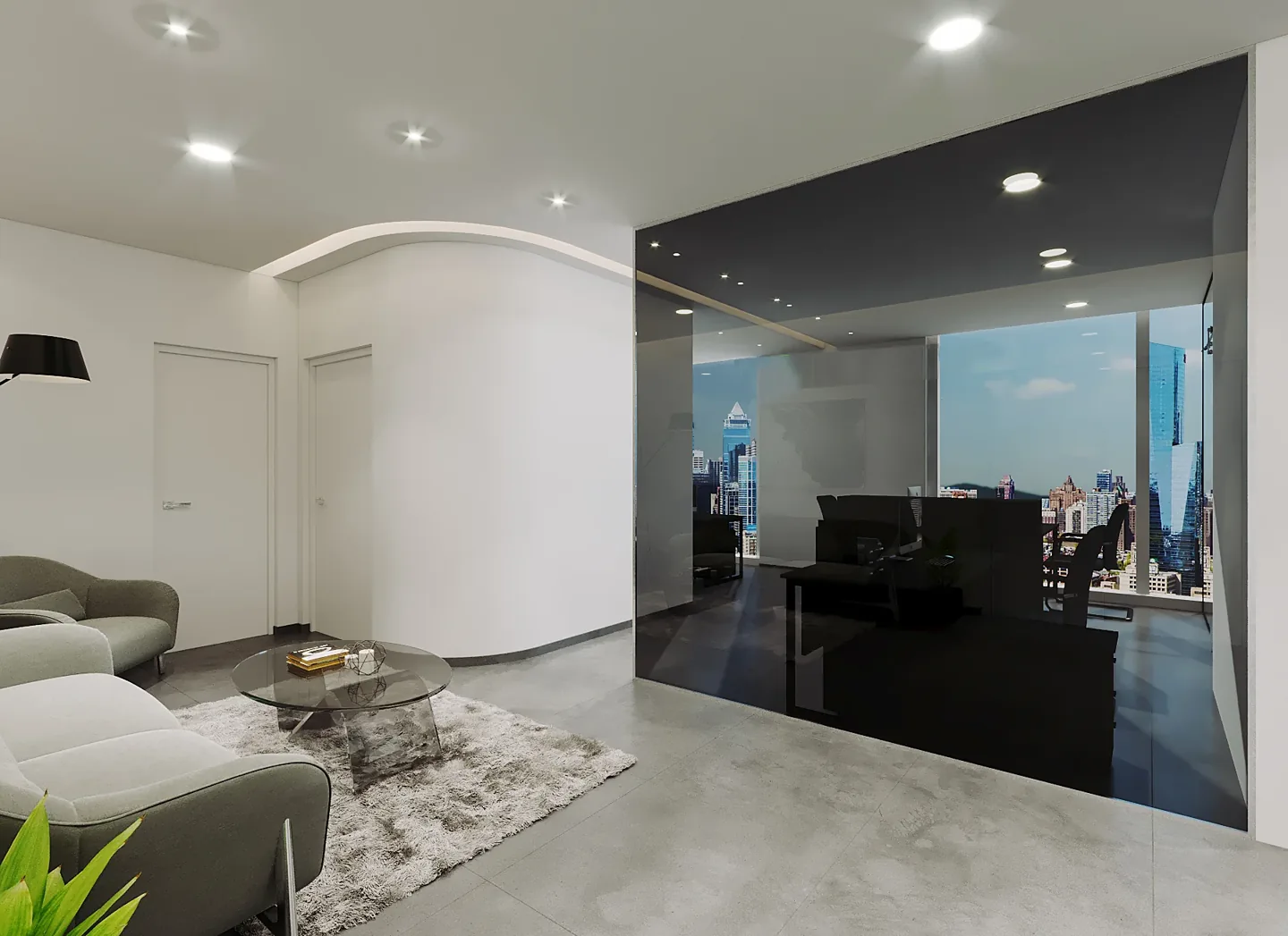
Workplace reference for discussing temporary furniture and the intended final layout.
Temporary furniture before final office delivery can appear to solve a difficult delay: the office interior is ready for its intended use, but some ordered pieces have not arrived. The useful decision is whether a defined substitute arrangement can support the actual business activities until those pieces are installed. It is not enough to count available desks or borrow whatever can be transported quickly.
This guide concerns temporary loose furniture within the same premises, after the responsible parties have established that those premises may be used as intended. It does not cover moving into a separate temporary office or gaining permission to occupy an incomplete fit-out. The client, furniture suppliers, interior design consultant and relevant specialists each need a clear part in the decision.
Jump to a section 15 topics
Define what is delayed and what still works
List the missing final items by room and function. A delayed boardroom table affects a different activity from a missing personal storage unit. Identify whether a genuinely usable alternative exists or whether the business should defer that activity. The point is to understand the operational gap, not to recreate the entire furniture order cheaply.
Ask the client’s workplace representative to describe the proposed temporary offer to staff and visitors. State any restrictions plainly. A room that can host an internal discussion may still be unsuitable for a formal presentation or confidential meeting. The employer should accept the actual arrangement through its normal workplace review process.
Keep furniture decisions separate from permission to occupy
Temporary desks cannot establish that premises are ready for occupation. The responsible client, management and appointed professionals must confirm the applicable completion, access and operational requirements for the actual property. This article concerns loose furniture in premises already accepted for the intended use, not a shortcut around unfinished construction or required permissions.
Dubai’s approval routes vary. For example, DDA publishes a fit-out completion certificate service for work within its remit. That does not mean the same procedure applies everywhere, or that a supplier can decide the status of a tenancy. Keep the approvals lead’s confirmation separate from the furniture list and record any conditions affecting use.
Draw the temporary arrangement in the finished rooms
Place the proposed substitute items on a current layout rather than relying on the dimensions of the final furniture. A borrowed desk may have a deeper top, a different leg position or a drawer that changes the space around it. Show the actual items and how people are intended to use them.
Ask the interior design consultant and relevant workplace representatives to review the proposed arrangement within their appointments. Include doors, retained fixtures and the routes needed for everyday use. Do not allow a temporary item to occupy a position reserved for access simply because it fits between two walls when the room is empty.
Choose substitutes by the intended task
An occasional meeting chair and a chair intended for regular desk work serve different purposes. Identify the tasks, expected duration and users before selecting a substitute. The employer and furniture specialist should assess suitability; a general statement that an item is temporary does not answer whether it is appropriate for the intended activity.
Obtain the product identity and relevant operating instructions where available. Manufacturers such as Herman Miller provide model-specific chair adjustment information, illustrating why the actual product matters. This is not a recommendation to choose a particular brand. The useful question is whether the responsible people can explain, inspect and operate the items being supplied.
Record the condition before items enter the office
Photograph and list borrowed or hired pieces at receipt, including their identification and visible condition. Agree who accepts them and how a missing part or existing mark will be reported. The record should distinguish a pre-existing issue from damage that may occur later, without asking the installation team to judge an unresolved commercial dispute.
Make the supplier’s responsibilities clear where assembly, repair or adjustment is needed. An incomplete item should not be placed into routine use merely to make the room look ready. Identify who can remove it from the proposed arrangement and how a replacement will be requested if the available substitute does not meet the accepted brief.
Confirm ownership and the right to move each item
The person arranging the temporary furniture may not own it. Identify the owner, supplier or hiring party and confirm the authority to transport and use the items at the new premises. Keep any collection conditions, permitted use and return obligations with the order rather than assuming that an informal loan is free of commitments.
Agree who keeps the inventory while the items are on site. Staff should know which pieces are temporary and who can authorise their movement between rooms. This prevents a borrowed cabinet or chair from becoming mixed into the permanent asset list, where its later collection could disrupt someone who believes it forms part of the completed office.
Coordinate equipment without improvising services
Identify what equipment will sit on or connect to the substitute furniture. Table shape, storage position and cable access may differ from the final specification. Share the temporary layout with the tenant’s IT, electrical and audiovisual representatives so that their appointments cover the actual arrangement being proposed.
Do not ask staff to solve an unsuitable position with unreviewed service alterations or improvised connections. The fit-out contractor can coordinate physical interfaces within the agreed scope, while the relevant specialists remain responsible for their systems. Record which temporary connections must be removed or changed when the final furniture is installed, keeping those tasks assigned to an identified party.
Protect completed finishes during the temporary period
Review how the substitute furniture meets the finished floor, wall and adjacent joinery. The supplier should confirm the appropriate contact details and handling method for its products, while the finish supplier can advise on compatibility with the installed surface. Avoid treating a universal protective pad or covering as suitable for every material.
Agree who inspects the room before delivery and after collection. A short condition record helps distinguish a furniture-related issue from an existing snag or later construction activity. Keep the working areas accessible for normal care, and identify any item that must be moved by an appointed person rather than routinely dragged aside by occupants.
Make the temporary appearance an accepted choice
A temporary reception table may be visible to clients even when the operational reason for it is understood internally. Decide which visitor-facing areas need a coherent interim presentation and which can remain deliberately limited. A modest, consistent arrangement can communicate the intended use more clearly than unrelated substitutes spread through every unfinished furniture position.
The interior design company can help review proportions, finishes and the relationship with the completed room. Keep the decision proportionate to its short intended life. Buying extra decorative items to disguise a delay may add cost and storage obligations that remain after the permanent furniture arrives, so confirm who actually wants and owns those additions.
Price the complete temporary package
Compare the full cost of receiving, assembling, using, collecting and replacing the temporary items. Identify transport, management bookings, protection, handling, storage and any supplier charges that apply to the particular proposal. Ask for the commercial basis in writing rather than assuming that a low weekly hire figure explains the total commitment.
When reviewing office fit out companies in Dubai, establish whether the temporary furniture coordination is included in their appointment or is a separate client purchase. Some tasks may belong to the furniture supplier or tenant. Avoid buying the same handling or supervision twice, and agree who can approve an extension if the final delivery moves again.
Explain the arrangement to the people using it
Issue a concise room-by-room explanation of the temporary furniture plan before staff begin using it. Identify which items may be moved, what has been borrowed or hired, and whom to contact about an unsuitable item. Keep the explanation aligned with the accepted arrangement rather than letting different departments establish their own informal alternatives.
Visitors need only the information relevant to their experience. The client should decide whether a meeting invitation, reception briefing or room-booking note needs adjustment. Avoid advertising a room as fully equipped if the temporary package lacks an expected function. When the permanent items replace the substitutes, withdraw the interim instructions and confirm who checks the updated room information.
Keep a realistic replacement decision date
Record when the client will next review the final supplier’s confirmed delivery information. A temporary package should have an expected end condition as well as a hoped-for date. The important trigger may be the arrival of a complete, installable set, rather than the dispatch of one part of a larger order.
Name the person who decides whether to extend the arrangement, reduce its scope or use a different alternative. Share the financial and operating consequences before that decision becomes urgent. A temporary furniture plan should remain responsive to actual information while avoiding an open-ended assumption that occupants will continue accepting the same compromise indefinitely.
Plan collection before booking the permanent installation
Confirm the sequence for taking temporary pieces out and bringing permanent ones in. Both suppliers may need the same room, receiving area or lift booking. Describe who hands over the cleared area and who checks that the final installation can proceed without materials being stacked in places intended for normal business use.
For office fit out in Dubai, management access arrangements can influence the available replacement window. Obtain the current instructions for the actual building and coordinate bookings through the proper contact. The tenant should decide how affected activities will be managed during the change, rather than assuming collection and installation can take place around staff without interruption.
Recheck the room after the final items arrive
The permanent furniture may change the way the room operates even if its outline appeared on the accepted design. Ask the relevant client representatives and suppliers to check the installed arrangement against the agreed information. Confirm that temporary equipment positions, labels or instructions have been updated where they no longer describe the room accurately.
Record any outstanding delivery or installation items separately from the temporary furniture account. A collected loan does not prove that the permanent package is complete. Keep each supplier’s acceptance and return record identifiable, making it clear which responsibilities remain open and who will resolve them before the client closes its temporary arrangement.
Leave a clear commercial and asset record
Close the temporary inventory with the owner or supplier, recording what was returned, retained by agreement or still awaiting resolution. Reconcile any agreed charges through the appropriate client process. Do not let a verbal promise to collect something later become the only record of property that remains within the office.
If you are planning office interior fit out in Dubai, share the delayed-item list, current room plans and proposed substitutes through the project brief. CBD Projects LLC can discuss the construction interfaces and an appropriate coordination scope. Our office fit-out service provides the wider starting point for the completed workplace appointment.
Frequently asked questions
Does temporary furniture mean we can move into unfinished premises?
No. Completion, management requirements and permission for the intended use must be established separately through the responsible parties. Loose furniture is not evidence that those requirements have been met.
Can we simply use the final furniture layout?
Use it as background, then show the actual substitute dimensions and operation. A different desk, chair or cabinet may change how the finished room works and should be reviewed accordingly.
Who should accept the temporary arrangement?
The client should identify its authorised workplace representative and obtain the relevant supplier and specialist input. The fit-out team should not assume responsibility for decisions outside its appointment.
What information should accompany an enquiry?
Send the missing-item list, current plans, intended activities, proposed substitute details and available supplier dates. Include known management conditions and the person authorised to accept the temporary scope.
References and scope
References checked on 23 November 2026. Confirm current requirements and product instructions for the actual project; these links do not constitute project approval.
Plan your office workplace coordination project with one accountable team
CBD Projects LLC provides interior design and fit-out coordination across Dubai and the UAE. Share your space, location, target opening date and budget range for a practical first review.
Send Your Project BriefBack to BlogRelated ServiceView Real ProjectsContact CBD Projects