
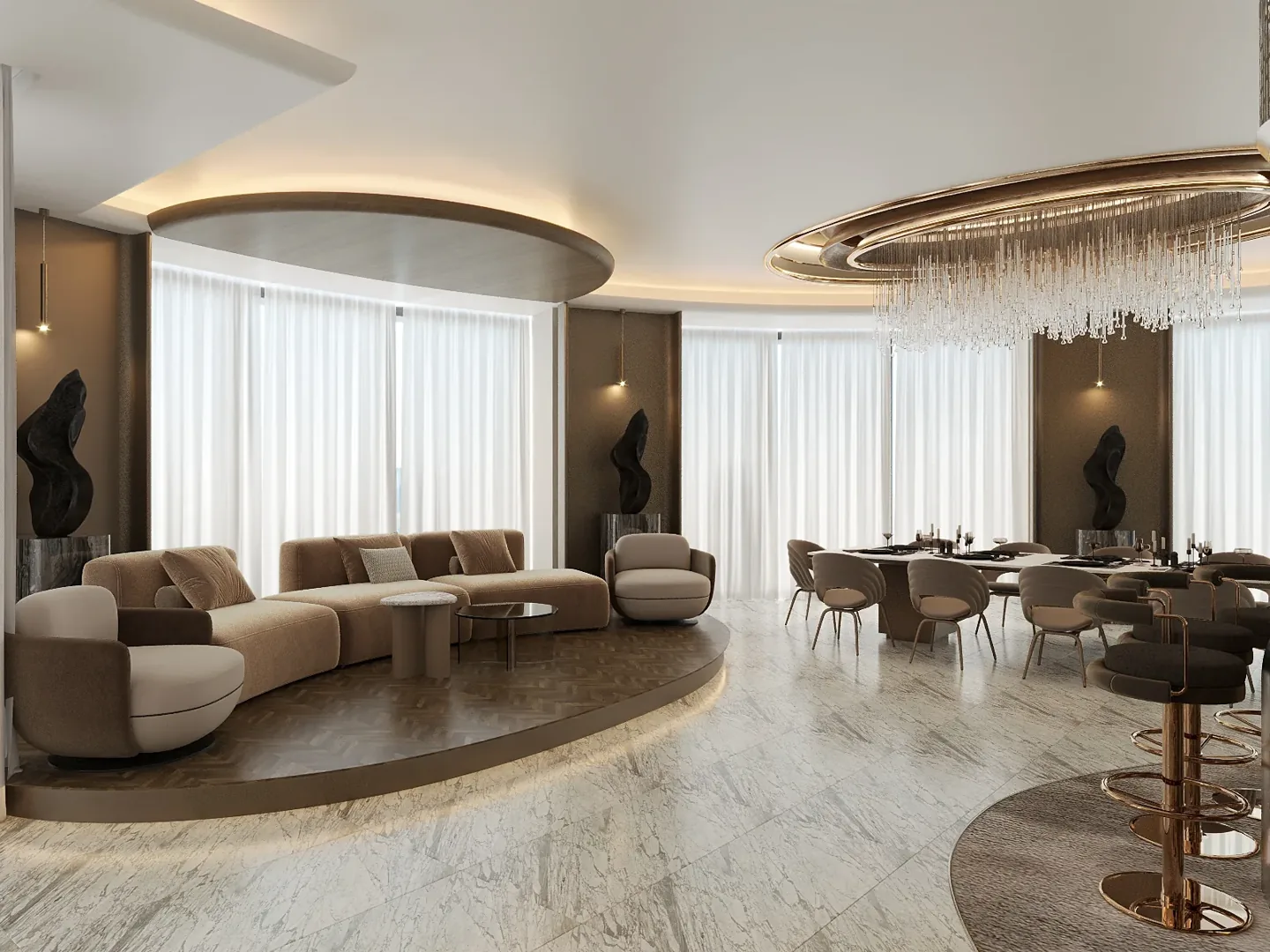
Residential interior reference for discussing loose furnishings and the surrounding room.
Loose rug selection for a Dubai home often happens after the major finishes have been accepted. The room looks nearly complete, and a rug promises to bring the seating, colours and textures together. Yet a purchase made from a photograph alone can create a second round of decisions about furniture positions, door movement or cleaning. The useful starting point is the room in use, with the actual furniture and everyday routes included.
This guide concerns movable rugs within a residential furnishing brief. It is separate from specifying installed carpet, changing the floor construction or assessing a technical flooring system. An interior design consultant can help coordinate appearance and placement, while the selected supplier must identify the product, its intended use and its care instructions. CBD Projects LLC can discuss how furnishing decisions connect with the wider interior appointment; supply, placement and aftercare responsibilities should be agreed for the actual scope.
Jump to a section 15 topics
Start with the purpose of the rug
A living-room rug might connect a conversation group, introduce a softer surface or mark a seating zone within a larger open room. Decide which purpose matters before comparing patterns. A purely decorative rectangle in the middle of a plan can look convincing while contributing little to the way the room is occupied.
Describe the household and the activities that will happen there. Frequent entertaining, a quiet reading corner and a dining space present different questions about furniture movement and upkeep. The brief should explain those expectations without assuming that one product category will suit every room. This gives the designer and supplier a practical basis for discussing options rather than selecting a rug solely because it resembles a reference photograph.
Place the actual furniture on the plan
Use the accepted sofa, chairs, tables and cabinets rather than approximate blocks. Record the proposed relationship between their legs and the rug edges. The arrangement should look intentional and allow the pieces to be used comfortably, including a footstool that moves or an occasional table that is brought forward for guests.
Compare the rug outline with the furniture arrangement in more than one position. A movable armchair can create a different relationship from a sofa that stays against a wall. The decision is not simply whether a rug fits inside the room; it is whether its outline supports the accepted seating composition. Keep the chosen arrangement with the product dimensions so a later furniture substitution prompts a placement review.
Test a dining area with the chairs pulled out
A dining table shown with every chair neatly tucked in does not describe the full use of the space. Review where the chairs sit when people arrive, sit down and leave. A chair moving repeatedly between the rug and hard floor can make an otherwise attractive combination awkward in daily use.
IKEA UAE's buying guidance distinguishes the rug footprint for a seating group from the space needed by dining chairs. Apply that principle to the actual table and chair models instead of adopting a universal measurement from a lifestyle image. Include an extended table if the household will use one. The supplier should understand the required footprint before a stock size or bespoke dimension becomes the purchasing instruction.
Keep circulation separate from the styling image
Walk the routes between the entrance, seating, balcony and adjacent rooms. Review the edges of the proposed rug in those routes, including the places people turn or approach a chair. A composition that works from the main photograph angle may place an inconvenient edge across the household's usual movement.
Discuss any household access requirements with the appointed designer and relevant advisers. This article does not establish accessibility compliance or certify a product as suitable for a particular person. The furnishing decision should respond to the actual occupants and use. If the room must support a mobility aid or another specific requirement, obtain appropriate advice before treating a decorative choice as an accepted solution.
Check doors, low furniture and moving components
Show the swing of nearby doors and the operating envelope of furniture with moving parts. Reclining seating, pull-out beds, drawers close to floor level and low cabinet doors can interact with a rug differently from fixed furniture. Confirm the complete product build-up with the supplier where clearance is relevant.
Check the proposed location using verified dimensions. An underlay can change the overall relationship, so do not review the rug in isolation and add a backing later without considering its effect. If a conflict appears, assess the furniture position or product selection before proposing alterations to a finished door. A loose furnishing should not quietly become an unpriced change to completed joinery or another accepted construction package.
Review the rug and underlay together
Ask the supplier whether an underlay is required or recommended for the selected rug, floor and intended use. Obtain product-specific information for both items. The purpose, thickness and compatibility of the proposed combination should be understood before a purchase is accepted, rather than assuming that any available backing will perform in the same way.
The floor supplier's care information also matters. Confirm any limitations associated with the actual surface, coatings or cleaning products. Avoid unsupported promises that a backing cannot mark a floor or that a rug will never move. An interior fit-out contractor can help identify the installed finish and relevant records, while suitability of a proposed rug assembly requires the responsible supplier's information for the actual combination.
Examine texture through normal use
A sample can show softness and colour, but the room may place additional demands on the surface. Discuss how dining chairs move, how a vacuum cleaner will be used and whether objects are likely to catch at the edge or within the texture. Distinguish the qualities you can observe from performance that needs product evidence.
Ask the supplier to explain the material, construction and intended application in plain language. Descriptions such as luxurious or hard-wearing do not replace an identifiable product specification. If the household expects a particular cleaning method or frequent rearrangement, state that expectation before choosing. The accepted decision can then connect the desired feel with the practical responsibilities of living with the rug.
Compare colour in the finished lighting
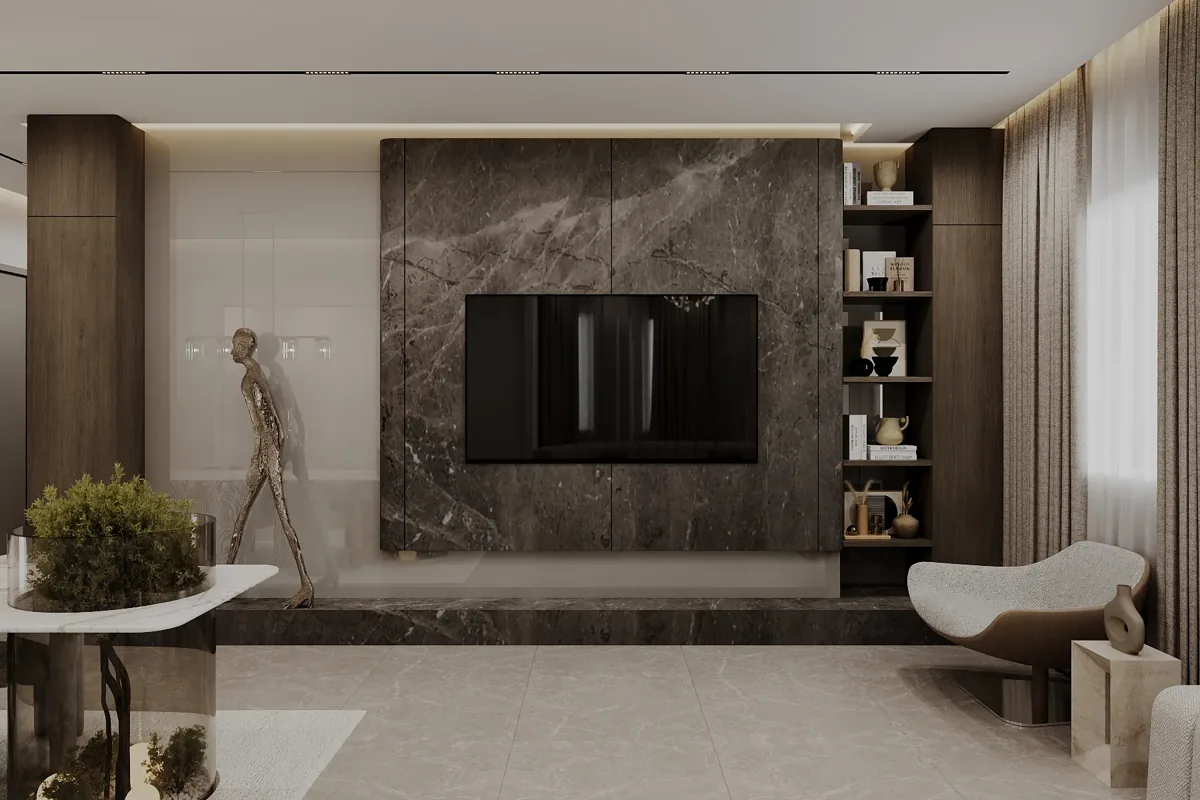
Review a representative sample beside the accepted floor, upholstery and joinery finishes. Look at it in the room's intended lighting conditions where possible. The same colour can relate differently to the completed materials than it did on a small screen or against the supplier's display background.
Record which sample and product reference were accepted. If the chosen rug includes a directional pattern, consider how its orientation will be read from the entrance and from the main seating position. Agree what variation the supplier expects in the actual product rather than treating a sample as proof of an identical large surface. This is particularly useful when the rug becomes a prominent part of a luxury interior design scheme.
Clarify bespoke dimensions before an order
For a custom rug, identify who measures, who prepares the dimensional instruction and who accepts it. Confirm whether the stated size describes the finished overall rug and how edging or another treatment is included. The client should understand the purchasing description without having to interpret a supplier's production drawing independently.
Ask about the supplier's stated tolerances and any effect on the agreed arrangement. A tight relationship with floor outlets, a curved wall or a door may need a closer review than a rug centred in a generous seating area. Obtain relevant terms for a bespoke purchase before committing. A verbal assurance that an item will fit is less useful than a coordinated plan linked to an accepted product and size.
Explain the care routine before selecting the product
Discuss who will look after the rug and how that person expects to clean it. Request the manufacturer's or supplier's care instructions for the identified product. A household that depends on a particular machine or routine should confirm compatibility rather than assuming that a familiar method can be applied to every fibre or construction.
Identify whether specialist cleaning, moving furniture or temporary removal will be needed. Storage and drying arrangements may matter for some products, but the actual instructions should govern the decision. Avoid turning general internet cleaning advice into a warranty promise. The choice is more useful when the owner understands the ongoing task and can decide whether the proposed rug suits the household's practical arrangements.
Make purchasing responsibility explicit
A furnishing appointment might include product selection only, procurement coordination or supply and placement. Establish which services are included and which remain with the owner or a separate supplier. The person placing the order should receive the accepted reference, size, colour, backing and placement information together.
When comparing interior design and fit out companies in Dubai, ask how loose furnishing purchases are separated from construction work. A general turnkey description does not automatically define rug supply, delivery, unpacking or aftercare. Confirm who pays the supplier, checks the delivered item and deals with a discrepancy. This prevents a final styling purchase from becoming an unassigned problem between the homeowner, designer and fit-out team.
Choose an arrival date that suits the room
Arrange delivery when the room can receive the rug without exposing it to ongoing construction or unsuitable storage. Confirm the condition of the accepted floor and the remaining work in the area. The team should know whether the rug is ready for final placement or is being delivered early under a separate storage arrangement.
Consider what furniture must be moved to place it and who is authorised to handle those pieces. A large rug beneath a completed seating group can require more coordination than a small movable accent. Do not assume that a delivery driver will rearrange the room or that the construction team will be available after its agreed work is complete. Include the actual placement task in the appointment.
Inspect the delivered item before arranging the room
Check the rug against the order reference, agreed size and stated product description. Review visible condition and packaging issues through the supplier's accepted process. Keep the relevant order and delivery information so a question can be linked to the correct purchase, especially where several furnishing suppliers are delivering together.
Follow the product instructions for unpacking and settling before judging its final appearance or making adjustments. The homeowner's visual review is different from a supplier's technical assessment of a defect. Record a concern clearly and contact the responsible party rather than attempting an improvised treatment that could complicate the supplier's review. Acceptance should relate to the actual item and agreed scope, not simply the fact that delivery occurred.
Keep a concise furnishing record
Retain the accepted product reference, size, placement plan and care information with the home's interior records. Identify the rug and underlay separately where appropriate. If the furniture layout changes later, the household can review the original arrangement without relying on a photograph that hides the edges.
For residential fit out companies in Dubai, a useful close-out conversation should make the boundaries of construction and furnishing clear. Ask which loose items belong to the delivered appointment and where their supplier information is held. This is not a request for an elaborate register for every decorative object; it is a practical way to keep the decisions and documents that matter for a prominent, frequently used furnishing.
Prepare the next conversation with CBD Projects
Bring the furniture plan, room photographs, floor finish reference and examples of the appearance you prefer. Explain how the room will be used and identify any items already ordered. A defined furnishing brief helps an interior design company discuss the visual composition and the interfaces with completed or proposed work.
Use the project brief to describe your home and the assistance required from CBD Projects LLC. The villa interior design service offers a wider starting point when rug selection forms part of a complete room scheme. Confirm the scope before purchasing so that design advice, supply and final placement have clear owners.
Frequently asked questions
Should I buy the rug before choosing furniture?
It can be a starting point for a room scheme, but the final order should be coordinated with the actual furniture dimensions, operating positions and room routes. Ask the designer to show the complete arrangement.
Does a loose rug need an underlay?
Ask the supplier for the selected product and floor combination. The appropriate decision depends on the actual rug, backing, floor information and intended use; a generic recommendation cannot establish suitability for every home.
Can the contractor trim a door if a rug catches?
Do not assume that altering completed joinery is included or appropriate. Review the product build-up and placement first, then obtain the relevant professional and supplier advice before accepting any construction change.
Is rug supply included in an interior fit-out quotation?
Only the agreed appointment can confirm that. Separate design selection, purchasing, delivery, placement and aftercare responsibilities before committing an order.
References and scope
References checked on 23 November 2026. Confirm current requirements and product instructions for the actual project; these links do not constitute project approval.
Plan your residential furnishing project with one accountable team
CBD Projects LLC provides interior design and fit-out coordination across Dubai and the UAE. Share your space, location, target opening date and budget range for a practical first review.
Send Your Project BriefBack to BlogRelated ServiceView Real ProjectsContact CBD Projects