
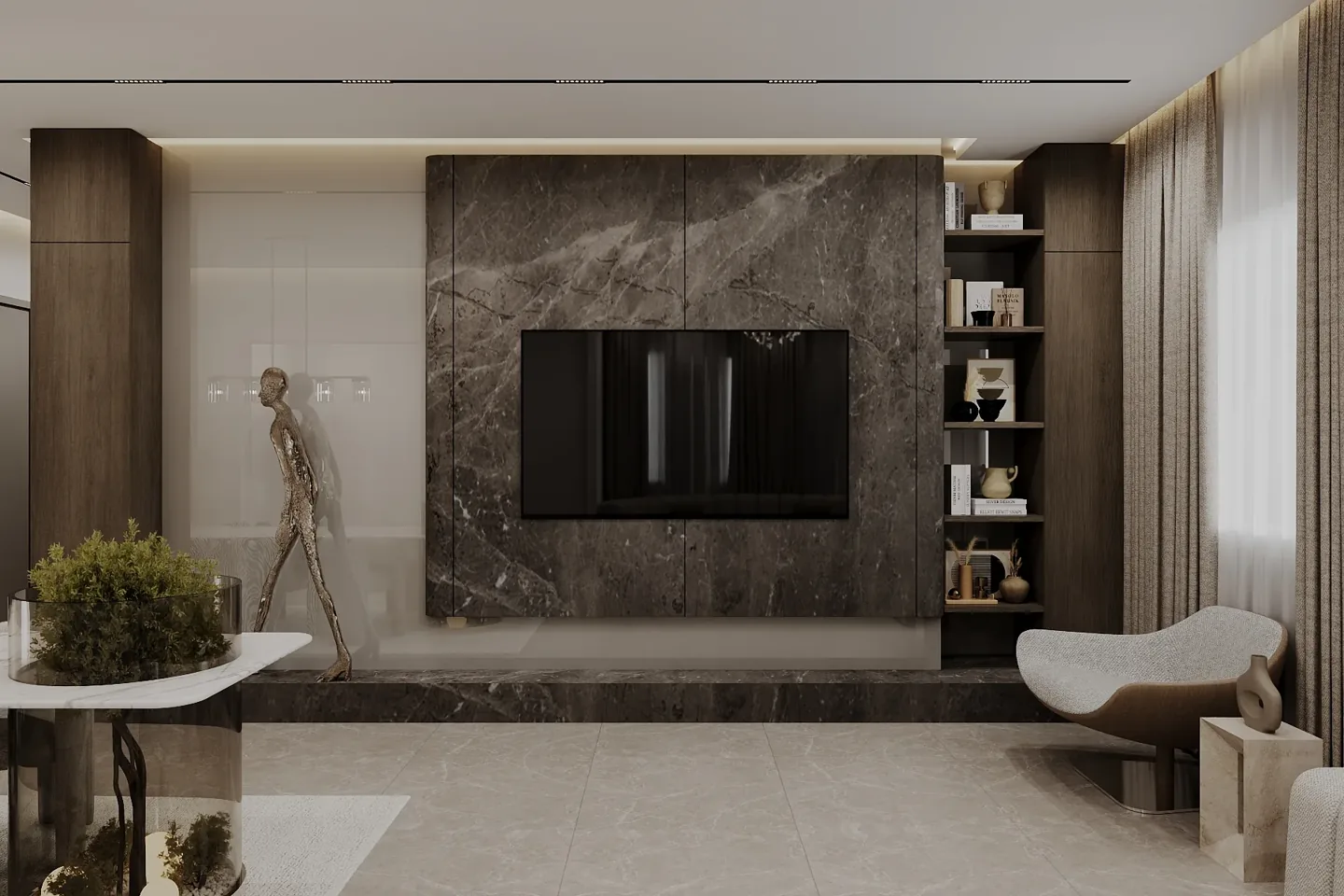
Home interior reference for defining furnishings, durability and maintenance responsibilities.
A furnished rental home needs an interior brief that looks beyond the first set of photographs. The owner must decide what the property will provide, how its rooms should work and which items need to be maintained or replaced over time. Those decisions affect fixed construction, furniture, equipment and the boundaries between the fit-out appointment and the owner’s later property operation.
This guide develops a furnished rental home fit-out brief in Dubai. It helps an owner prepare design, specification and procurement decisions before construction is released. It does not predict rental income, establish the permitted letting activity or replace advice on the owner’s commercial and legal arrangements. The useful starting point is the actual home, its intended users and a clear description of the interior the owner wants to deliver.
Jump to a section 16 topics
Describe the intended occupancy before choosing a style
Explain the household arrangement the home is intended to support: the number of bedrooms in use, normal living and dining activities, work requirements and the practical storage expected. Do not substitute a broad description such as executive rental for the actual room functions. The designer needs decisions that can be translated into a layout.
The owner should separately confirm that the proposed activity and occupation arrangement suit the property and applicable requirements. The interior brief can then work within that accepted position. An interior design company should not have to infer operating assumptions from a selection of attractive reference images or a purchasing list assembled before room use has been agreed.
Separate the fixed interior from the furnishing package
List what belongs to construction and what can be supplied independently. Fixed joinery, wall finishes and service interfaces have different release stages from a movable chair, bedding or decorative accessory. Some items sit between those categories, including fitted appliances and window treatments, and need explicit responsibility.
This division is especially useful when the owner buys furniture directly or uses a separate furnishing supplier. Identify who surveys, orders, receives, assembles and places each item. A complete-looking quotation may still leave a gap if the construction appointment excludes a task the furnishing supplier also assumes somebody else will carry out.
Review retained elements before committing replacements
Record the property’s existing floors, doors, kitchen, bathrooms and fitted storage. Describe which elements the owner proposes to keep and why. The appearance review should be supported by the relevant condition and compatibility checks, particularly where new work will meet a retained installation.
An interior design consultant can help compare a selective refresh with a more extensive construction scope. Keep the assumptions visible in the budget rather than treating every existing element as either automatically reusable or automatically obsolete. The owner benefits from understanding the practical consequences of each choice before ordering a new material or furnishing package.
Set an appropriate specification through actual use
Consider the amount and type of everyday use expected in each room. Flooring near an entrance, a dining-chair fabric and a bedroom feature finish may need different selection criteria. Ask suppliers for the relevant care and installation information rather than choosing every item through colour or a general durability label alone.
Residential fit out companies in Dubai should explain the preparation and assembly included in a proposed finish installation. The owner can then compare a material selection together with the work required to use it. A lower purchase price does not by itself describe the finished package or establish its suitability for the intended room.
Make replacement a design consideration
Think about how a damaged or worn item could be identified and replaced later. Record product references, dimensions and the components that can be changed independently. A decorative assembly may look attractive but create an unnecessarily large replacement task if a small part cannot be removed without disturbing adjacent work.
Ask the relevant makers and suppliers to explain the actual arrangement. This does not require every item to be standard or inexpensive. It requires the owner to understand the consequence of choosing a bespoke piece, a natural finish or a discontinued collection before that choice becomes embedded in the completed interior.
Give the kitchen an equipment and storage schedule
Decide what the home will provide and obtain accepted information for the actual appliances. Cabinetry, worktops and service positions depend on dimensions and installation requirements. A generic fridge symbol or an early shopping screenshot is not sufficient manufacturing information.
Review storage around the intended equipment and ordinary household use, including how doors and drawers operate beside each other. Identify appliances bought by the owner and those supplied under the construction package. The responsible technical specialists should assess the relevant connections and requirements, while the fit-out company coordinates the accepted interfaces with cabinetry and finishes.
Specify bathrooms through operation and maintenance
A furnished letting brief should make the owner’s bathroom selections understandable to the parties installing and maintaining them. Confirm the chosen sanitaryware, fittings, accessories and joinery, with the relevant supplier information. Do not allow the visible finish schedule to conceal unresolved technical or access requirements.
Where existing services or construction will be retained, ask the appointed specialists what needs to be established before the proposed alteration proceeds. Record any limits in the scope. The owner-supplied bathroom fittings guide considers those procurement interfaces in more detail; this brief establishes which package the owner intends to commission.
Plan storage for residents and property operation
Identify the storage residents need for clothing, luggage, cleaning equipment and everyday possessions. Then establish whether the owner also needs a separately defined place for items associated with managing the property. The two requirements should be considered in the layout rather than discovered after all available space has been filled with furniture.
Confirm internal arrangements and access before releasing fitted joinery. A well-proportioned wardrobe is more useful when its shelving and hanging space match the intended household. If any storage has a restricted role, make that decision explicit in the accepted brief instead of leaving the installer to choose a lock or cupboard arrangement without instruction.
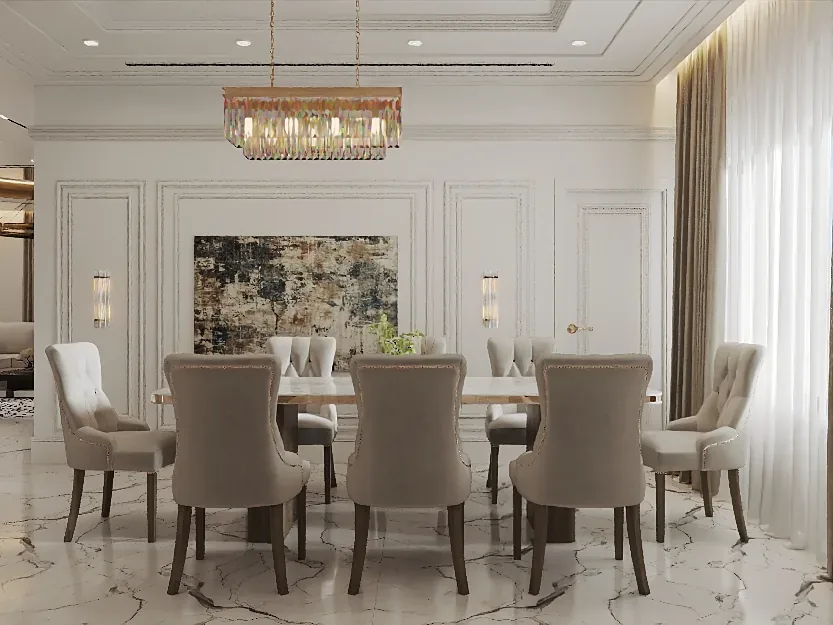
Review furniture in the occupied room arrangement
A furniture schedule should be checked against the real room, including doors, drawers and normal movement. Assess where people sit, how they reach storage and whether the proposed pieces suit the intended activities. An empty floor plan can hide conflicts that become apparent only after furniture is placed.
Distinguish dimensions verified on site from those taken from preliminary drawings. Before committing a large item, confirm the relevant access and assembly information through the appropriate supplier. The owner should understand which purchases can be made independently and which depend on construction or another supplier’s final selection.
Keep window treatments connected to the room
Curtains or blinds affect light, privacy, furniture positions and access to windows. Establish the intended function and coordinate the accepted arrangement with ceilings, wall finishes and nearby joinery. If a separate supplier is appointed, identify the dimensions and fixing information needed before construction is closed.
Review operation from the resident’s point of view rather than judging a fabric sample in isolation. The supplier should explain the relevant care and maintenance arrangement. This is particularly useful where a dramatic decorative treatment could become awkward to operate or clean in ordinary use, or where replacement fabric needs an identifiable specification.
Define lighting and controls for everyday understanding
Review the activities and furniture in each room when locating lights and controls. A coherent design should help occupants understand the main functions without relying on a complex explanation every time the home changes users. The responsible lighting and electrical specialists should resolve the technical requirements within their appointments.
If automation or other specialist equipment is proposed, identify who supplies, commissions and supports it. The interior fit-out contractor coordinates the accepted construction interfaces. The owner should decide which features are appropriate to the operating arrangement before those features create additional supplier dependencies or maintenance tasks.
Use a consistent finish palette without overcomplicating procurement
A limited, carefully coordinated palette can help rooms feel connected and make purchasing records easier to manage. Review selected samples together and identify where a change in material serves a practical purpose. The aim is a considered interior, not repetition that ignores the different demands of an entrance, bedroom or wet area.
When comparing interior design and fit out companies in Dubai, ask how finish decisions will be recorded and released. A sample reference, drawing revision and accepted supplier selection should relate to one another. This gives the owner an understandable basis for reviewing a substitution or placing a later replacement order.
Build the budget around a complete appointment
Separate construction, fixed joinery, loose furniture, equipment and final placement responsibilities. Identify allowances and exclusions clearly. The owner should be able to see whether the proposal includes preparation, installation, specialist coordination and close-out information rather than comparing totals with different contents.
A useful budget also identifies decisions still affecting the amount of work. Existing condition, service alterations, custom fabrication and access can influence the construction scope. The purpose of the comparison is to choose an appropriate package for the property; a fit-out quotation does not establish a rental return or prove that a more expensive finish will produce a particular commercial outcome.
Agree how selections become authorised purchases
Nominate the person who consolidates the owner’s comments and releases expenditure. Keep an identifiable selection record showing the item, accepted reference and any information still outstanding. A casual approval of appearance should not automatically authorise a maker to fabricate dimensions that have not been confirmed.
The construction and furnishing suppliers need to understand each other’s release dependencies. A bed selection may affect bedside services; an appliance change may alter joinery; a replacement curtain system may affect a ceiling detail. Review those relationships before accepting an alternative so that a convenient purchase does not create an unplanned construction change.
Plan construction completion and furnishing as connected stages
Develop the sequence around the work actually included, with clear responsibility for furniture assembly, placement and protection. Do not use the arrival of loose items to force a room’s construction acceptance. The relevant parties should identify the condition needed before finished furniture or equipment is received.
This guide establishes the brief before delivery and installation. A later condition or contents record serves a different purpose and cannot replace these design and purchasing decisions. Keep those stages separate in the owner’s planning so that the team knows whether it is agreeing what should be supplied or documenting what has actually arrived.
Prepare an owner brief that can be priced and maintained
Bring together room use, retained elements, finish references, furniture and equipment schedules, supplier responsibilities and the decisions still required. Add current plans, photographs and any management instructions received for the proposed work. Where alterations need consent or specialist review, identify the responsible route before committing construction.
CBD Projects LLC can discuss how that information becomes an appropriate residential interior appointment. Explore the residential design service for the earlier planning scope and send the property details through the project brief. The aim is a useful, coordinated home specification with clear construction and purchasing responsibilities, rather than a collection of disconnected products.
Frequently asked questions
Is this brief the same as a contents inventory?
No. The fit-out brief establishes what the owner intends to design, construct and supply. A later condition or contents record documents an actual delivered arrangement. Both may be useful, but a record made after installation cannot resolve a procurement responsibility that was never agreed.
Should every furnished rental use the same specification?
The property, intended occupancy and owner’s operating arrangement should determine the brief. Review room use, care requirements, replacement access and the relevant supplier information. A general label such as premium furnished does not establish the actual construction or purchasing package.
Can the owner purchase furniture separately?
Yes, separate purchasing can be recorded in the responsibility schedule. Identify survey, receiving, assembly, placement and protection tasks, and coordinate any dimensions or services affected by the selected furniture. Make those interfaces clear before construction and orders are released.
Does a fit-out proposal establish the permitted letting activity?
No. The owner should confirm the proposed use and applicable property, management and authority requirements through the relevant responsible parties. This article addresses interior briefing and procurement coordination; it does not provide a licensing determination or promise rental performance.
Plan your residential investment fit-out planning project with one accountable team
CBD Projects LLC provides interior design and fit-out coordination across Dubai and the UAE. Share your space, location, target opening date and budget range for a practical first review.
Send Your Project BriefBack to BlogRelated ServiceView Real ProjectsContact CBD Projects