

An interior project can reach beyond the unit even when its permanent works stay inside the building. A delivery, removal operation or installation may depend on space at the building frontage or another interface with the public realm. The owner needs to establish who controls that space, what is being proposed and which decisions must be obtained before the activity is booked. A landlord’s agreement to the interior fit-out does not answer every question about a footpath, parking area or access outside the property.
CBD Projects LLC helps clients define those interfaces and coordinate the agreed design and application information. Our in-house work can cover design details, shop drawings and permit-application tasks within a defined appointment. Specialist traffic design, eligible requester roles, safe-work planning and external works must be assigned to the responsible competent parties where required. This service is not a claim that CBD is an RTA roadworks contractor or an accredited traffic-study consultant.
Identify the activity behind the request for an RTA permit
Start with the physical activity, not the abbreviation on a message. Explain what needs to happen, where it occurs and how it relates to the interior project. Is the request about temporary use of space, an access arrangement, building construction or another defined matter? Include the wording of any request already received from the property manager or project team so that the same question is being addressed by everyone.
CBD can organise that information into a short scope statement and location reference. We distinguish the permanent interior design from temporary operations and from external work proposed by others. This helps the client identify the actual decision needed before treating a general approvals allowance as sufficient. RTA determines the relevant service and its requirements; the project appointment should state which coordination tasks CBD is undertaking.
Establish the boundary between property and public space
Obtain the available site information and identify the areas that the building representative can authorise. A convenient frontage may not belong to the tenant or be available under the interior contractor’s normal access arrangements. Mark any uncertain boundary for confirmation rather than using an early sketch as proof of control. Where further site or specialist information is needed, assign the relevant investigation.
The owner should know which part of the proposed activity depends on property consent and which needs a separate decision. This is useful before committing to a supplier’s delivery or installation slot. CBD coordinates the agreed interior-project information with the responsible parties, but it cannot grant exclusive use of a space merely because it serves the client’s entrance or appears empty during a site visit.
Distinguish the published RTA service routes
RTA describes a permit for temporary use of part of the Right-of-Way for defined construction or maintenance activities, including loading and unloading. It also lists building construction or demolition and temporary construction-access services separately. These are different official descriptions, not interchangeable names for a general fit-out approval. The exact activity and location must be checked against the relevant current service.
For the project tracker, record the identified request, responsible applicant, supporting information and next decision. Keep any separate technical or infrastructure review visible where the proposal requires it. CBD does not classify an activity solely from a photograph or promise that one permission covers every stage. A submitted application remains subject to the responsible review and the conditions of the decision actually issued.
Build a realistic activity brief before fixing dates
The activity description should explain the items involved, expected handling sequence and the areas proposed for use. Obtain information from the supplier or installer about component size, delivery vehicle and any specialist equipment. Identify which facts are confirmed and which remain assumptions. A brief that simply says furniture delivery can conceal substantial differences between ordinary movable items and a large fabricated assembly.
We can coordinate this information with the interior programme so the client understands what must be ready first. If an item cannot yet be manufactured to a confirmed size, its delivery arrangement should not be treated as settled. Likewise, booking a preferred date does not establish permission for the proposed external activity. Link the programme to the actual information and decisions required to carry it out.
Connect the internal route to the external operation
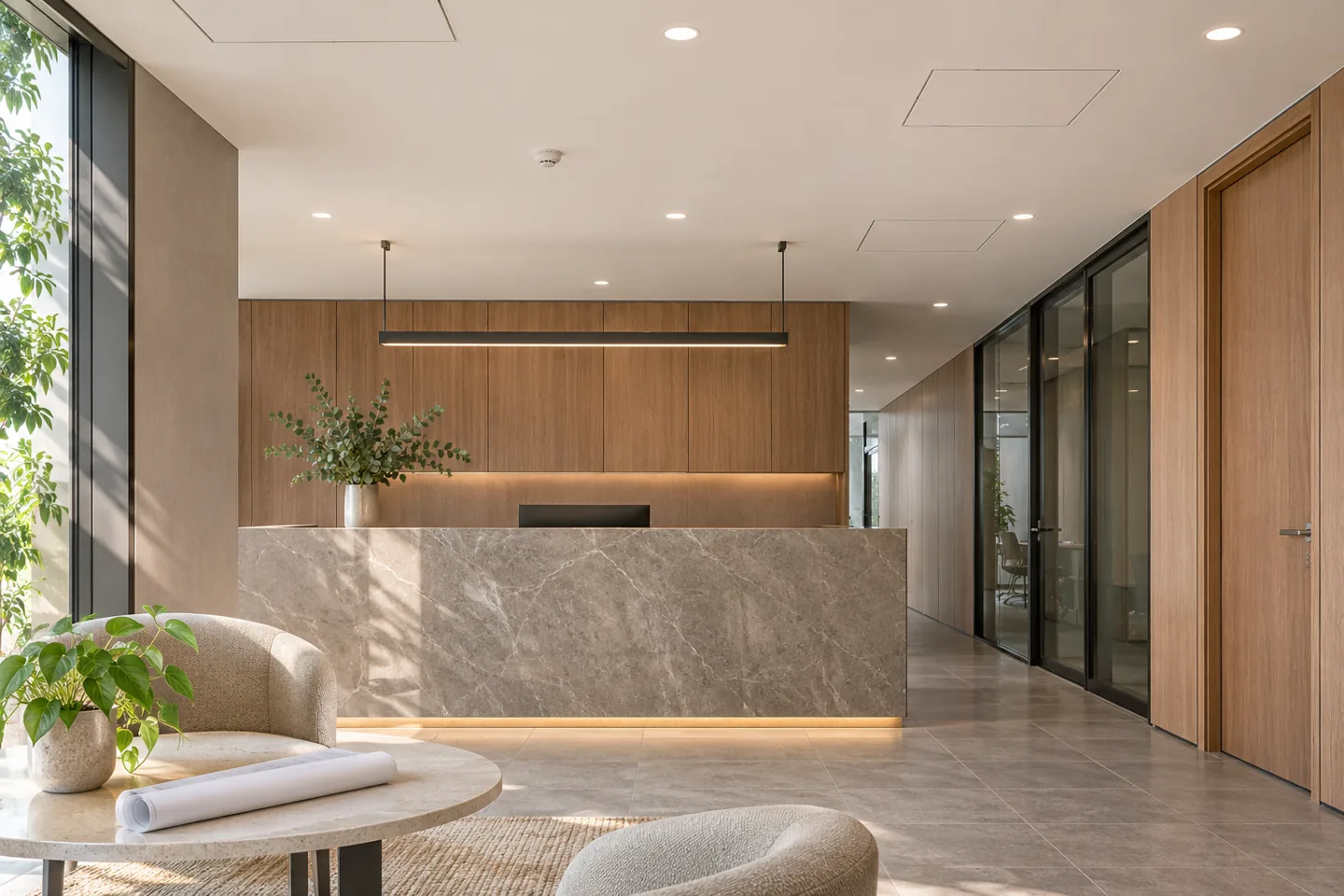
Follow the proposed item from its arrival point to the place where it will be received inside the premises. Identify the building-controlled route, doors, lifts and temporary protection arrangements that the responsible team must verify. An accepted arrangement outside the property does not establish that the same item can pass through the internal route or be installed in the agreed room.
CBD can coordinate those interior interfaces within its appointment. The handling and safe-work method remain with the competent parties responsible for the activity. If the route requires investigation or an alternative assembly strategy, make that dependency visible before procurement. This gives the owner a clearer comparison between a supplier offering a complete coordinated delivery and one pricing transport only to an assumed drop-off point.
Assign traffic and safe-work design explicitly
Some proposals require specialist drawings, safety measures or other technical inputs beyond the interior package. RTA’s published temporary-access information identifies traffic-management and safety documentation among its requirements. The responsible specialists must establish what the actual proposal needs. CBD’s application coordination does not certify a traffic arrangement, calculate road capacity or authorise a temporary diversion.
The project agreement should identify who prepares and endorses required technical information and who carries out the activity. Establish the eligible applicant and any necessary credentials for the relevant service. If those inputs are not yet available, they remain an open appointment or information dependency. We do not fill that gap with an unsupported statement that an interior fit-out contractor can perform every regulated task associated with a public-space operation.
Make the drawing package describe one location and activity
A reviewer and the project team should be able to connect the location plan, activity description and supporting drawings. Use consistent references for the premises, proposed area and relevant existing conditions. Identify photographs by viewpoint so they help explain the proposal rather than function as unlabelled attachments. Information prepared by another party should retain its origin and current revision.
CBD coordinates the agreed drawings and supporting project information. Where a specialist drawing is required, it must be prepared through its responsible appointment and coordinated with the same activity brief. Before issuing the package, check that a changed route or revised delivery assumption has not left conflicting information in another document. A coherent issue makes the question clear; acceptance remains with the relevant reviewing parties.
Keep the building’s access process alongside the RTA request
A project may have a confirmed building work window while its external-space request is still being assessed. It may also obtain a relevant external decision while the building has not released its internal route. Maintain both statuses in the programme. The client needs to see the remaining dependency rather than receive a general statement that permits are in progress.
Ask the property representative to identify the conditions that govern its own areas and services. CBD can coordinate the agreed requests and client information with that process. An external permit should not be presented as authority to override building instructions, and a property access pass should not be presented as acceptance of a separate public-space activity. The work sequence must follow the actual decisions and responsible appointments for the complete operation.
Bring your brief into focus
Send the location, proposed activity and current project instructions for a free initial scope consultation.
Send your project briefCompare a normal delivery with a more complex alternative
Consider a supplier offering a large fitted item in one piece and another proposing smaller components assembled inside. These are planning options, not completed project examples. Each can affect fabrication details, handling, internal installation and external arrangements. Establish the information needed to compare them before treating the lower manufacture price as the lower installed cost.
CBD can show the interior-design implications and coordinate the agreed supplier inputs. The competent handling and technical parties assess the proposed methods and associated requirements. If one option depends on an external-space decision, identify that dependency in the commercial comparison. The owner can then choose with a clearer understanding of the complete package instead of discovering the additional scope after an irreversible production order.
Separate application fees from preparation and execution
When comparing fit out companies in Dubai, ask how each quotation treats interface assessment, drawing preparation, application handling, specialist inputs and the actual external activity. These are not necessarily supplied by the same party. External charges, provisional allowances and work excluded from CBD’s appointment should be identifiable. A small permit allowance does not establish that a complicated physical operation has been assessed and priced.
We can define our agreed coordination outputs against the actual brief. Required surveys, specialist appointments or revised supplier information may affect that effort. Changes to the client’s proposed activity need a clear commercial treatment. No universal RTA work-permit price or approval period is promised here: the selected service, scope, information and reviewing parties determine the applicable requirements and external decision timing.
Keep reviewer responses linked to the current programme
Record each observation with the proposed response, responsible owner and supporting document. Some comments require a clarification; others may affect the scope or physical arrangement. If the response changes the client’s delivery or installation assumptions, explain the effect before another booking or supplier instruction is confirmed. The latest drawing should be traceable to the current activity description.
CBD coordinates the response tasks included in its appointment and reports what has actually been received. An internally completed response is not an issued permission. If the reviewing party changes a condition or the project revises the operation, identify the further action required before proceeding. This avoids a programme continuing to rely on an earlier assumption after the information supporting it has changed.
Plan changes and closeout before the activity
The project should establish who confirms the permitted arrangement to the responsible teams and how changes will be raised. A late supplier substitution or revised activity may affect the decision previously obtained. Do not assume that moving an operation to another location or changing its extent is automatically covered. The relevant parties must determine the appropriate review and next instruction for that change.
Agree the records to collect for the commissioned scope, including current drawings, decision references and the information required by the relevant project parties. Identify responsibility for removing temporary provisions, dealing with affected surfaces and closing outstanding matters through the agreed arrangements. CBD coordinates its commissioned tasks; the responsible contractors, specialists and authorities retain their own execution and acceptance roles.
Bring the actual site question to the initial consultation
Provide the premises location, a marked photograph or plan, a clear description of the proposed activity and any instructions already received. Include supplier information, the desired sequence and the current interior programme. Identify the property representative and specialist parties already appointed. There is no need to send private account passwords; applicant roles and authorisations should be established through the relevant project process.
A free initial consultation can help define the interface and information gaps before the next appointment is priced. It is not an RTA classification or acceptance decision. With the responsibilities clear, the client can commission the necessary preparation and specialist inputs and make procurement decisions against evidence rather than an assumed permit label.
Frequently asked questions
Does every interior fit-out need the same RTA work permit?
No universal requirement is asserted here. Identify the actual activity, location and relevant current service with the responsible parties. An internal alteration and temporary use of public space raise different questions; a broad project label does not establish the correct route.
Can CBD prepare the information and coordinate an application?
CBD handles agreed design details, shop drawings and application tasks in house. Eligible applicant roles and any required specialist technical responsibilities must be established for the actual service. This does not claim RTA roadworks accreditation or traffic-study certification.
Can a supplier proceed when the landlord has confirmed a delivery slot?
Check the complete activity and relevant decisions before proceeding. The building’s arrangement covers its own remit and may not establish permission for a separate public-space operation. Coordinate the supplier, internal route and external requirements against the actual status.
Is a traffic impact study included in this service?
Not automatically. A traffic study is a separate professional task with its own requirements and appointment. It should not be inferred from ordinary permit-application coordination. Any study need, responsible consultant and scope must be verified for the actual project.