
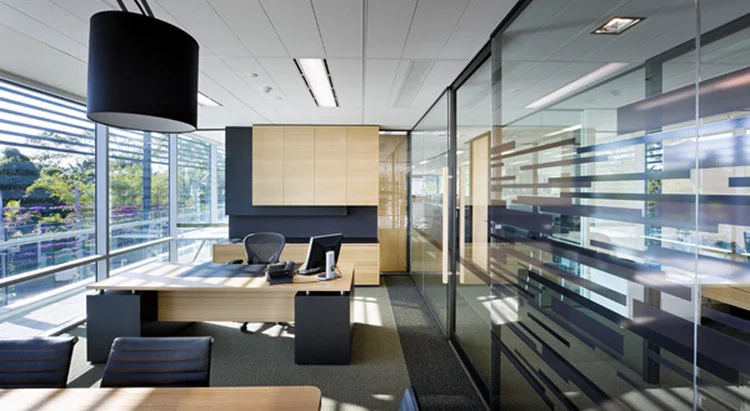
The right appointment structure should match the project complexity, decision process, budget control and level of responsibility the client wants to retain.
Dubai clients often use the terms interior designer, fit-out contractor and design-build company as if they mean the same thing. They do not. Each appointment creates a different division of responsibility for concept design, technical coordination, approvals, procurement, construction, cost and handover.
Selecting the delivery route early helps avoid gaps between an attractive concept and an executable scope. The best option depends on how developed the brief is, how much control the client wants, the project complexity and whether one party should remain accountable from design through completion.
An interior designer primarily develops the space and design solution. A fit-out contractor executes defined works. A design-build company coordinates design and construction under one responsibility. Compare inclusions, exclusions, approval duties, technical design, procurement, change control and handover rather than choosing from the job title alone.
What an interior designer normally controls
The interior designer translates the client brief into layouts, concept direction, material selections, lighting intent, furniture and detailed information. The exact appointment may range from concept-only advice to a complete technical package with tender support and site review.
Clients should confirm whether MEP coordination, authority drawings, quantities, procurement, contract administration and site supervision are included. A design fee that appears lower may cover fewer stages, leaving important responsibilities for separate consultants or the contractor.
What a fit-out contractor normally delivers
A fit-out contractor plans and executes the physical work: partitions, ceilings, flooring, finishes, joinery and coordinated building-services interfaces. Reliable pricing needs drawings, specifications, verified site conditions and clear responsibility for specialist systems.
If the contractor is appointed against an incomplete design, allowances and assumptions can multiply. The quotation should identify exclusions, provisional items, client-supplied elements, authority fees, landlord interfaces, testing, documentation and reinstatement obligations.
How design-build changes responsibility
Design-build places design development and construction coordination with one team. This can shorten communication lines and allow buildability, procurement and budget feedback to influence decisions earlier. It is especially useful when a client wants a single accountable route.
It does not remove the need for a clear brief, staged approvals and transparent change control. Clients should still review deliverables, specifications, programme, payment milestones and the process for approving substitutions or variations.
Choose the route using project risk
Consider programme certainty, technical complexity, internal client resources, design ambition and the readiness of the property. A complex hospitality concept may need deeper independent design development, while a time-sensitive office may benefit from coordinated turnkey delivery.
Before appointment, create a responsibility matrix covering survey, design stages, MEP, approvals, procurement, construction, testing, furniture, snagging and handover. The best route is the one with the fewest unmanaged gaps—not automatically the lowest first proposal.
Compare the deliverables at the design-to-build handover
Whichever procurement route is selected, define what information must exist before construction commitments are made. List coordinated drawings, specifications, schedules, surveys, unresolved assumptions and the required approval status for the relevant work.
For an illustrative separately appointed designer, a concept presentation may communicate the intended appearance without defining fabrication or services interfaces. Confirm who completes that information and who reviews it. Under design-build, ask the same question within the delivery team rather than assuming one appointment removes every information gap.
Record review responsibilities and decision authority in the agreed scope. Technical responsibility and legal liability depend on the actual appointments and require appropriate advice. An interior design firm in Dubai should make its deliverables and exclusions understandable before the client compares fees. A clear handover standard is useful under either route because it exposes missing work before it appears as a site disagreement.
Frequently asked questions
Is design-build the same as turnkey fit-out?
The terms often overlap, but the exact scope varies. Confirm whether design, approvals, construction, furniture, testing and handover are all included.
Can I appoint a designer and contractor separately?
Yes. This can provide independent design control, but the contracts and coordination duties must be clearly defined.
Which route is fastest?
A coordinated design-build route can reduce handover points, but speed still depends on decisions, approvals, information, procurement and site conditions.
Plan your design and fit-out procurement project with one accountable team
Share your project plans, existing-condition information and priorities with CBD Projects for a coordinated scope review.
Send Your Project BriefBack to BlogRelated ServiceView Real ProjectsContact CBD Projects