

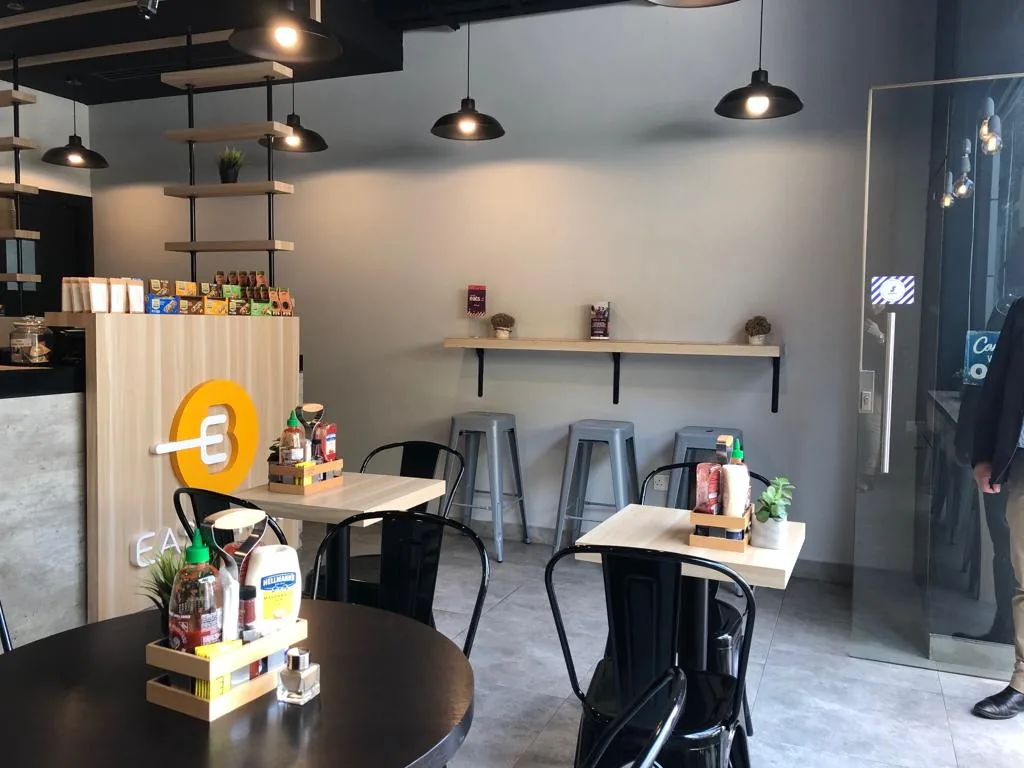
Interior design studio
Typically leads concept, planning, materials and design documentation, with construction procured or managed through a separate contractor.

Tell us your project type, size, location and finish level. Our team will review your details and prepare a free quotation.
Selection guide · Scope · Evidence · Delivery
The right shortlist begins with the company model your project actually needs. Compare relevant experience, technical capability, scope ownership and delivery evidence—not presentation style alone.
Compare like with like
Dubai interior companies range from design studios and decorators to fit-out contractors, specialist subcontractors and integrated design-and-build teams. They can all produce an attractive first conversation, but they do not carry the same responsibilities or manage the same risks.
A design studio may be the right appointment when the client already has a capable contractor and needs independent creative leadership. A fit-out contractor may suit a fully documented scheme ready for pricing. An integrated design-and-build company can simplify ownership when planning, technical coordination, approvals, procurement and site delivery must move under one accountable structure.
The useful comparison is therefore not simply company against company. It is your project requirements against each firm’s demonstrated service model, team, relevant portfolio, technical depth, commercial transparency and capacity to deliver the required outcome.
Evidence over adjectives
Ask what the company was responsible for, which constraints were solved and how the completed project relates to your own brief.
Company models
No model is automatically best. The right choice depends on how much information exists, where risk should sit and how the client wants to manage delivery.
Typically leads concept, planning, materials and design documentation, with construction procured or managed through a separate contractor.
Focuses on furniture, colour, textiles, art and accessories, usually without responsibility for major technical or construction changes.
Executes construction from defined drawings and specifications, coordinating trades, procurement, site works and handover.
Connects design development, technical coordination, applicable approvals and construction within one overall delivery structure.
Represents the client by coordinating consultants, procurement, programme, cost and reporting across separate appointments.
Delivers a defined package such as joinery, MEP, lighting, kitchens, acoustic work, furniture or branding rather than the complete interior.

Shortlist framework
A beautiful mood board cannot prove technical coordination, and a long company profile cannot prove capacity for your programme.
A better selection process
A structured comparison reduces bias toward the lowest price or most polished presentation.
Write the outcome, scope, budget direction, property facts and decision criteria.
Identify companies with relevant projects and the service model the brief requires.
Issue the same information, questions and submission format to every shortlisted firm.
Normalise scope, exclusions, programme, team, specification and commercial assumptions.
Meet the people who would actually design, coordinate and deliver the project.
Check references, responsibilities, contract terms and the route for changes and handover.
Comparison scorecard
Weight the scorecard around your project. A complex clinic and a furniture-only apartment appointment should not use the same priorities.
Discuss your scopeComparable sector, project scale, responsibilities, constraints and evidence from completed work.
Named leadership, technical resources, site structure, current workload and decision availability.
Credible stages, dependencies, approval route, procurement logic, reporting and risk management.
Aligned deliverables, quantities, exclusions, allowances, payment terms and change-control mechanism.
Understanding of the brief, quality of thinking, communication style and ability to challenge assumptions constructively.
Price comparison
When Dubai interior companies price different scopes, the totals do not reveal value. One proposal may include technical design, approvals coordination, detailed joinery, site supervision and handover documentation while another leaves those items for later appointment or treats them as exclusions.
Create a comparison schedule that identifies every deliverable, allowance and responsibility. Ask each company to confirm deviations rather than interpreting silence as inclusion. This makes negotiation more constructive and reduces the risk of selecting an incomplete offer.
Frequently asked questions
Use these answers to structure a more informed shortlist.
First define the service model your project requires. Then compare relevant portfolio evidence, the named team, technical capability, proposed scope, approval experience, programme, commercial clarity and handover responsibility.
An interior designer develops the spatial and aesthetic solution. A fit-out company executes the physical works. Some companies provide both through an integrated design-and-build model, while others specialise in one role.
A competitive shortlist can be useful when every company receives the same drawings, specifications, scope and commercial assumptions. Pricing too early or from inconsistent information produces misleading comparisons.
There is no fixed number, but a focused shortlist of suitably qualified firms usually produces better dialogue than issuing an incomplete brief to a large field. Quality and comparability matter more than volume.
It should show relevant project types and, ideally, clarify the company’s responsibility. Ask about the brief, constraints, services delivered, approvals, programme and completed outcome rather than judging photography alone.
Not automatically. Integration can reduce interfaces and accelerate decisions, but value still depends on scope clarity, design quality, procurement, management and commercial terms. Compare the complete offer.
Discuss how the team coordinates surveys, architecture, MEP, joinery, specialist equipment, authority comments and site changes. Request examples of relevant deliverables and meet the technical people assigned to the project.
Include the property, size, intended use, users, operational needs, desired scope, budget direction, target completion date, available drawings, landlord information and the decision criteria that will be used.

Compare the model, then the company
CBD Projects can review the property, required scope and delivery route before proposing the right design or fit-out appointment.